Shani Sade Sati and Kaal Sarp Dosha Combined Effects
By: Pratima Argade
7 September 2026 at 10:50 AM
Shani Sade Sati and Kaal Sarp Dosha Combined Effects
When Two Significant Chart Factors Overlap
Throughout this series, we have examined Shani Sade Sati as a standalone transit affecting every person multiple times across their life. However, some individuals carry an additional significant factor within their permanent birth chart, Kaal Sarp Dosha, which can meaningfully interact with and intensify their experience of Sade Sati when the two occur together. Understanding this particular combination is important, since many people navigating an especially demanding Sade Sati period are unknowingly also working through the effects of this permanent chart condition simultaneously.
This post looks in detail at what Kaal Sarp Dosha involves, how it interacts with Shani Sade Sati when both are present, and how to approach this particularly significant combination with informed, purposeful remedial practice.
Understanding Kaal Sarp Dosha
Kaal Sarp Dosha is a specific condition that occurs in a birth chart when all seven of the classical grahas, excluding Rahu and Ketu themselves, are positioned between Rahu and Ketu on one side of the chart, with no graha placed on the opposite side. Since Rahu and Ketu are always positioned exactly opposite each other in any birth chart, this configuration creates a distinctive pattern where all planetary energy is essentially contained within a single hemisphere of the chart, bounded by the lunar nodes.
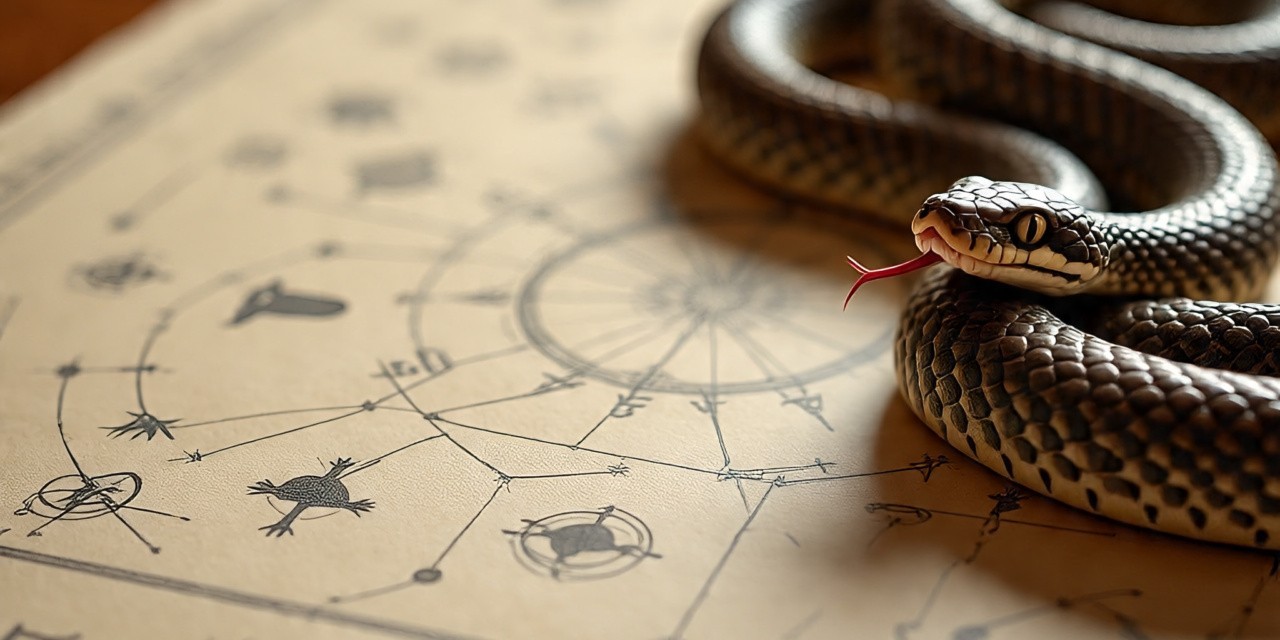
This condition is named after Kaal, meaning time, and Sarp, meaning serpent, reflecting the symbolic image of planetary energy being encircled or constrained, similar to being caught within a serpent's coil. Classical astrology associates this configuration with a distinct pattern of delayed results, unexpected obstacles and a sense of effort not translating into proportional outcomes, at least until the dosha's effects begin to ease later in life.
Why This Combination Deserves Specific Attention
Since Kaal Sarp Dosha is a permanent feature of a person's birth chart, present from the moment of birth rather than a temporary transit like Sade Sati, its underlying themes of delay, obstruction and unexpected difficulty exist as an ongoing undercurrent throughout a person's entire life. When Sade Sati, itself associated with testing, delay and karmic reckoning as discussed throughout this series, occurs during a period when this permanent dosha is already present, many astrologers describe the combined effect as considerably more pronounced than either factor would produce independently.
How the Combination Tends to Manifest
- Intensified Sense of Being Blocked: Where Sade Sati alone often brings a sense of increased effort required to achieve results, as discussed in earlier posts covering career and financial effects, the presence of Kaal Sarp Dosha alongside this transit tends to intensify this feeling considerably, sometimes creating a pronounced sense of being blocked or obstructed across multiple areas of life simultaneously.
- More Pronounced Delays: Since both Shani and Kaal Sarp Dosha are independently associated with delay within classical astrology, their combination during Sade Sati often produces more significant and prolonged delays than either factor might cause alone, whether in career progress, marriage timing, financial gains or other significant life milestones.
- Heightened Anxiety and Restlessness: Many individuals with this combination report a particularly persistent sense of anxiety and restlessness during their Sade Sati years, often described as feeling trapped or unable to move forward despite consistent effort, reflecting the combined symbolic themes of both the serpent's coil and Shani's testing influence.
- Health Concerns Requiring Attention: Some traditional sources associate Kaal Sarp Dosha with health related challenges, and when this factor combines with Sade Sati's own commonly reported health effects, as discussed in an earlier post in this series, particular attention to physical and mental wellbeing becomes especially important during this combined period.
Different Types of Kaal Sarp Dosha and Their Relevance
Classical astrology identifies several distinct types of Kaal Sarp Dosha, based on which specific houses Rahu and Ketu occupy within the birth chart. Each type is associated with somewhat different areas of life being most significantly affected, meaning the specific way this dosha interacts with a person's Sade Sati experience can vary considerably depending on which type is present in their individual chart. A detailed birth chart analysis is generally necessary to understand exactly which type applies and how it specifically relates to the areas of life currently being affected by Sade Sati.
Why This Combination Is Not Automatically Catastrophic
As with the Rahu Ketu transit combination discussed in the previous post, it is important to emphasize that having both Kaal Sarp Dosha and Sade Sati present does not automatically guarantee severe hardship. Many individuals with this combination in their chart lead successful, fulfilling lives, particularly once they understand the specific nature of these combined influences and approach them with appropriate remedial practice and patient, disciplined conduct.
Classical astrology consistently emphasizes that even significant chart configurations such as Kaal Sarp Dosha respond meaningfully to sincere remedial effort and honest conduct, rather than representing an unchangeable, fixed sentence of hardship regardless of a person's own choices and practices.
Remedies for Navigating This Combined Influence
- Continued Shani Remedies: All the remedies discussed throughout this series for Sade Sati specifically remain relevant during this combined period, offering continued support for the Shani related aspect of this combination.
- Kaal Sarp Dosha Specific Remedies: Beyond general Shani remedies, specific practices are traditionally associated with easing Kaal Sarp Dosha, including worship of Bhagwan Shiva, given his traditional association with serpents through the image of Vasuki coiled around his neck, along with specific pujas dedicated to pacifying Rahu and Ketu together, sometimes performed at specific temples known for this particular remedial tradition.
- Nag Panchami Observance: Many individuals with Kaal Sarp Dosha place particular importance on observing Nag Panchami, a festival specifically dedicated to serpent worship, using this occasion for focused remedial practice aimed at easing this specific chart condition.
- Rudrabhishek and Related Rituals: Some traditional remedial approaches for Kaal Sarp Dosha involve Rudrabhishek, a ritual bathing of a Shiva lingam performed with specific substances and mantras, believed to help ease this particular dosha's more challenging effects.
- Patience as a Core Practice: Given how strongly both Kaal Sarp Dosha and Sade Sati are associated with delay, cultivating deep patience becomes an especially important practice during this combined period, recognizing that results, when they do come, are often described as arriving later than expected but ultimately proving significant and lasting once they finally manifest.
Why Professional Chart Analysis Matters Here
Given the genuine complexity involved in understanding how Kaal Sarp Dosha specifically interacts with an individual's Sade Sati timing, and given the several distinct types of this dosha that exist depending on planetary placement, this is a particularly valuable area to seek professional astrological guidance rather than relying on general information alone. An experienced astrologer can identify exactly which type of Kaal Sarp Dosha is present, how it specifically relates to the current Sade Sati phase, and which remedial practices are most precisely suited to the individual's complete chart.
The Value of Understanding This Combination
For individuals who have experienced a particularly demanding stretch during their Sade Sati without understanding this additional underlying factor, learning that Kaal Sarp Dosha may be contributing to this intensity can bring genuine clarity and relief. Rather than experiencing this combined difficulty as an inexplicably severe personal misfortune, recognizing it as a specific, understood astrological combination allows for more informed, purposeful remedial response and a more grounded sense of what to realistically expect during this period.
A Combination That Calls for Patience and Purposeful Practice
The combination of Shani Sade Sati and Kaal Sarp Dosha represents one of the more demanding chart configurations discussed in this series, given how directly both factors are associated with delay, obstruction and testing. Yet as with every other challenging combination covered throughout this blog, understanding this pattern clearly, and responding with sincere, sustained remedial practice, allows this period to be navigated with considerably more wisdom, patience and ultimately, meaningful growth.
If you suspect you may have Kaal Sarp Dosha in your birth chart alongside your current Sade Sati period, our astrologers can conduct a detailed analysis of your complete chart and recommend the puja and remedies best suited to help you navigate this combined influence with clarity and support.