Navamsa Chart and Marriage - The D9 Chart That Reveals Your True Marriage Destiny
By: Pratima Argade
5 June 2026 at 4:08 AM
The Navamsa Chart and Your Marriage Destiny - The Hidden Map That Reveals What Your Kundali Is Not Telling You
Every kundali has two layers.
The first layer is the one most people know. The Rashi chart - the birth chart that shows the positions of the planets in the twelve signs of the zodiac at the moment of birth. This is the chart that most people refer to when they say their kundali was checked. It is the chart that shows the doshas, the house placements, the Ashtakoot compatibility score. It is the map of the outer life - the circumstances, the events, the broad strokes of a person's destiny.
But underneath that outer map is a deeper one.
A map that does not show the outer circumstances of a person's life as clearly as the Rashi chart does - but that shows something more intimate, more essential and in many ways more determinative of how those circumstances will actually be experienced. A map of the soul's inner landscape. Of the quality of experience rather than just its events. Of what is actually happening in the deepest and most important relationships of a person's life - particularly marriage.
That deeper map is the Navamsa chart.
In Vedic Jyotish, the Navamsa is not a supplementary chart. It is not an optional extra for those who want more detail. It is - according to the classical texts and according to the consistent testimony of the most experienced Jyotishis across centuries - the single most important chart for understanding marriage. More important than the seventh house of the Rashi chart. More important than the Ashtakoot score. More revealing of the actual quality, timing and destiny of marriage than any single indicator in the Rashi chart alone.
And yet in the modern arranged marriage process - with its online kundali calculators, its quick compatibility checks and its focus on doshas and scores - the Navamsa chart is almost never seriously examined.
This blog is going to change that. By the end of it, you will understand exactly what the Navamsa chart is, why it matters so profoundly for marriage, what it reveals that the Rashi chart cannot, and how understanding your own Navamsa can give you a genuinely deeper and more accurate picture of your marriage destiny.
What Is the Navamsa Chart - The Technical Foundation
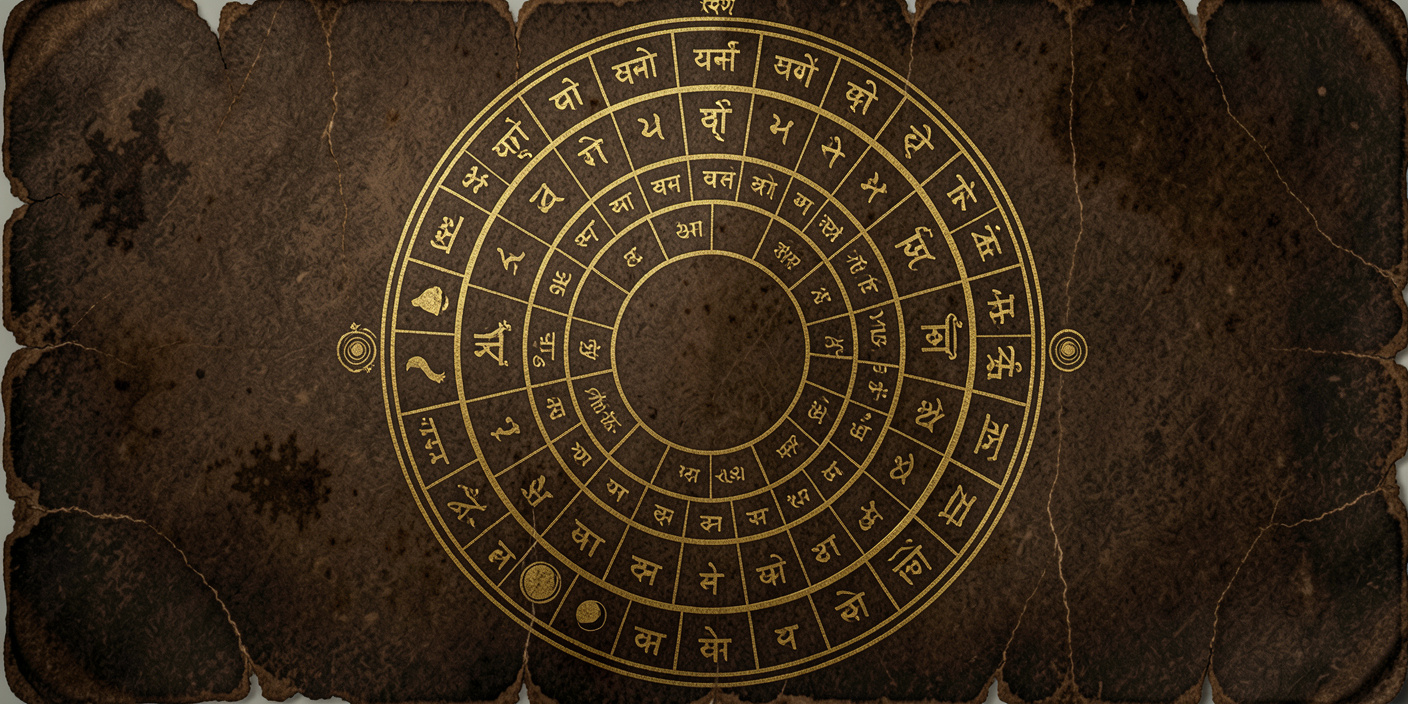
The Navamsa chart - also called the D9 chart - is a divisional chart derived from the Rashi chart through a specific mathematical calculation. The word Navamsa means nine parts - from Nava (nine) and Amsa (part or division).
In Vedic Jyotish, each of the twelve rashis (signs) of the zodiac is divided into nine equal parts. Each part spans three degrees and twenty minutes of arc. The twelve rashis, when each is divided into nine parts, produce a total of one hundred and eight Navamsa divisions - a number that is deeply significant in Vedic tradition (108 being the number of the most sacred rosary, the distance of the Sun from the Earth in solar diameters, and the number of names in many divine sahasranamas).
Each of these 108 Navamsa divisions is assigned to a specific sign of the zodiac through a specific calculation system. The planet that occupies a particular degree range in the Rashi chart is then placed in the corresponding sign in the Navamsa chart. The result is a new chart - the Navamsa - in which all the planets appear in different signs than they do in the Rashi chart, revealing a different and deeper layer of their energy and influence.
The Lagna (ascendant) of the Navamsa chart is called the Navamsa Lagna or the Navamsa Ascendant. The sign that the Navamsa Lagna falls in is determined by the degree of the natal Lagna in the Rashi chart and is one of the most important indicators in the entire Navamsa chart.
Why the Navamsa Is Specifically for Marriage - The Classical Teaching
The specific association of the Navamsa chart with marriage and the life partner is one of the most consistently repeated teachings across all the major classical texts of Vedic Jyotish.
- The Brihat Parashara Hora Shastra - the foundational text of Vedic Jyotish - explicitly states that the Navamsa chart should be examined alongside the Rashi chart for a complete understanding of marriage and the life partner. Sage Parashara teaches that the Rashi chart shows what is given at birth - the broad destiny and circumstances - while the Navamsa shows the deeper quality of how that destiny is experienced. In the context of marriage, the Rashi chart shows whether and when marriage happens. The Navamsa shows the quality and nature of the marriage that happens.
- The Phaladeepika of Mantreswara - one of the most important classical Jyotish texts - devotes significant sections to the Navamsa chart and its role in marriage assessment, stating explicitly that a planet that is strong in both the Rashi chart and the Navamsa chart gives its fullest and most positive results, while a planet that is weak or afflicted in the Navamsa even when apparently strong in the Rashi chart gives results that are diminished in quality even if present in form.
- The Uttara Kalamrita of Sage Kalidasa describes the Navamsa as the chart of the soul's inner destiny - the deeper karmic blueprint that the soul brings into the lifetime from its previous existences. In the context of marriage, this makes the Navamsa the chart that shows the soul's actual karmic relationship with marriage and partnership - what it has accumulated in previous lifetimes, what it is here to experience and resolve, and what quality of partnership it is karmically capable of attracting and sustaining.
- The Jataka Parijata - another classical text of Vedic Jyotish - states directly that without examining the Navamsa chart, the assessment of marriage in a kundali reading is incomplete and potentially misleading.
This is not a minority view or a recent addition to Jyotish thought. It is the unanimous teaching of the classical tradition. And it is one of the most significant reasons why modern kundali matching - which focuses almost exclusively on the Rashi chart and the Ashtakoot score - so often misses the most important part of the picture.
What the Navamsa Chart Specifically Reveals About Marriage
The Navamsa chart reveals several specific aspects of marriage that the Rashi chart cannot adequately show:
- The actual quality of the marriage experience. The Rashi chart can show whether marriage is likely to happen and approximately when. The Navamsa chart shows what that marriage will actually feel like from the inside - whether it will be genuinely harmonious and fulfilling, whether it will be challenging and transformative, whether it will be emotionally rich or emotionally dry, whether it will grow and deepen over time or remain stuck in recurring patterns of difficulty.
- The nature and character of the life partner. The seventh house and its lord in the Navamsa chart give a much more intimate and accurate picture of the nature of the actual life partner than the same indicators in the Rashi chart. A Jyotishi who reads both charts together can give a much more specific and accurate description of the kind of person the individual will marry - their temperament, their values, their likely profession, even aspects of their physical appearance.
- The actual strength or weakness of a planet for marriage purposes. This is one of the most practically important things the Navamsa reveals. A planet may appear strong in the Rashi chart - well-placed, in a good house, unafflicted - but be debilitated or in an enemy sign in the Navamsa. When this happens, the planet's actual capacity to deliver positive marriage results is significantly weakened even though it looks good on the surface. Conversely, a planet that appears weak in the Rashi chart may be exalted or in its own sign in the Navamsa - giving it far more inner strength and capacity for positive results than the Rashi chart alone suggests.
- The vargottama condition. When a planet occupies the same sign in both the Rashi chart and the Navamsa chart, it is called Vargottama - a Sanskrit term meaning occupying the same division in both charts. A Vargottama planet is considered to be particularly strong and stable in its expression - what it promises in the Rashi chart, it delivers with unusual reliability. The Lagna is also considered Vargottama when the Navamsa Lagna is in the same sign as the Rashi Lagna, which is considered an indicator of exceptional chart strength overall. For marriage specifically, a Vargottama Shukra or a Vargottama seventh house lord is one of the most favorable indicators of stable and fulfilling marriage.
- The Pushkara Navamsa. Certain specific Navamsa divisions are called Pushkara Navamsas - auspicious divisions that give particular strength and positive quality to the planets placed within them. When the Navamsa Lagna or significant marriage-related planets fall in Pushkara Navamsas, the marriage indicated is considered particularly auspicious and blessed.
- Whether doshas in the Rashi chart are confirmed or mitigated. One of the most practically important applications of the Navamsa chart is in the assessment of doshas. A dosha that appears in the Rashi chart may be confirmed by a similar pattern in the Navamsa - making it more deeply embedded and more significant. Or it may be contradicted by a strong and harmonious Navamsa pattern - indicating that despite the surface-level challenge shown in the Rashi chart, the deeper karmic picture for marriage is positive. This is why examining the Navamsa is so important before making any final assessment of a dosha's severity.
- The timing of marriage activation. The Navamsa chart interacts with the dasha system in ways that are highly relevant for marriage timing. When the current dasha or antardasha lord is strong in the Navamsa, the period tends to be more productive for marriage than when it is weak. Jyotishis who incorporate Navamsa assessment into their timing analysis consistently give more accurate marriage timing predictions than those who rely on the Rashi chart alone.
Key Indicators to Look for in the Navamsa Chart for Marriage
While a complete Navamsa analysis requires the knowledge and experience of a learned Jyotishi, understanding the key indicators that are most relevant for marriage helps in appreciating what a proper Navamsa reading involves:
- The seventh house of the Navamsa chart. The seventh house in the Navamsa is the primary indicator of the quality of marriage and the nature of the life partner. When this house is strong - with its lord well-placed, unafflicted, and ideally with a benefic planet placed in or aspecting it - the marriage has a positive karmic foundation regardless of what the Rashi chart shows. When the Navamsa seventh house is weak or heavily afflicted, the marriage's fundamental quality is compromised even if the Rashi chart looks favorable.
- The lord of the Navamsa seventh house. The placement and condition of the seventh house lord in the Navamsa reveals the nature and character of the life partner at a deep level. A well-placed seventh lord in the Navamsa indicates a partner who is genuinely capable of providing what the person seeks in marriage. A challenged seventh lord indicates a partner who may struggle to provide that - not because they are a bad person but because the karmic dynamic between the two souls creates specific limitations.
- Shukra in the Navamsa. Since Shukra is the karak of marriage, his condition in the Navamsa is among the most important single indicators of marriage quality. Shukra exalted, in his own sign or in a friendly sign in the Navamsa indicates a genuine capacity for love, harmony and fulfilling partnership. Shukra debilitated, in an enemy sign or heavily afflicted in the Navamsa indicates that despite whatever the Rashi chart shows, there are deep-seated challenges in the person's capacity for or attraction of harmonious marriage.
- Guru in the Navamsa - for women. Since Guru is the husband-karak for women, his condition in the Navamsa is as important as Shukra's for understanding marriage quality. A strong Navamsa Guru for a woman is one of the most favorable indicators of a supportive, wise and genuinely nurturing husband.
- The Navamsa Lagna and its lord. The Navamsa Lagna represents the soul's fundamental orientation in this lifetime - its deepest values, its most essential nature, its karmic core. The lord of the Navamsa Lagna and its condition tells a Jyotishi a great deal about the person's fundamental approach to life and relationships at a soul level.
- Malefic planets in the Navamsa seventh house. When Mangal, Shani, Rahu or Ketu are placed in the Navamsa seventh house without beneficial aspects, they confirm and deepen the challenges those planets create in the Rashi chart. When they are absent from the Navamsa seventh house despite being challenging in the Rashi chart, they indicate that their surface-level challenge is not as deeply embedded in the karmic picture as it might appear.
The Navamsa in Compatibility Assessment - How It Changes the Picture
Understanding the Navamsa's role in kundali matching changes the entire picture of compatibility assessment in ways that are profoundly important for the modern arranged marriage process.
Here is what a proper compatibility assessment that includes the Navamsa looks like compared to one that does not:
- Without Navamsa: Two kundalis are compared. The Ashtakoot score is calculated. Doshas in the Rashi charts are noted. A compatibility score of twenty two out of thirty six is given. The proposal is considered borderline and the family is uncertain.
- With Navamsa: The same two kundalis are compared at the Rashi level - same score, same doshas noted. But then both Navamsa charts are examined. The seventh house of both Navamsas is strong. Shukra is well-placed in both Navamsas. The seventh house lords of both Navamsas are friendly to each other and well-placed. The overall Navamsa picture is harmonious and positive. Conclusion - despite the borderline Ashtakoot score, the deeper karmic picture for this marriage is genuinely positive. The proposal deserves to be taken seriously and the doshas, while present, are not as embedded as the Rashi chart alone suggested.
This kind of nuanced assessment - which includes the Navamsa as a fundamental part of the picture rather than an optional extra - is what the classical tradition intended and what the most experienced Jyotishis consistently practice.
Common Navamsa Patterns and What They Mean for Marriage
Over centuries of Jyotish practice, certain Navamsa patterns have been consistently associated with specific marriage experiences. Here are some of the most important:
- A strong and unafflicted Navamsa seventh house with Shukra well-placed. This is the most positive pattern for marriage in the Navamsa. It indicates a marriage that will be genuinely fulfilling and emotionally rich - regardless of what challenges the Rashi chart shows on the path to getting there.
- Shukra debilitated in the Navamsa (in Virgo). This pattern consistently indicates that despite the person's genuine desire for love and partnership, there is a deep-seated challenge in their capacity for or attraction of genuinely harmonious marriage. The surface experience of marriage may appear to be what they wanted, but the inner experience tends to feel incomplete or not quite right.
- Rahu in the Navamsa seventh house. This pattern deepens the karmic complexity of marriage significantly. It indicates a marriage that involves significant karmic lessons, possibly with a partner who is unconventional or who brings unexpected and destabilizing experiences into the person's life. The marriage is rarely simple or straightforward.
- Guru exalted in the Navamsa (in Cancer) for women. This is one of the most favorable possible Navamsa indicators for the quality of the husband in a woman's chart. It suggests a husband who is genuinely wise, generous, nurturing and capable of providing the emotional and material abundance that a fulfilling marriage requires.
- Shani in the Navamsa seventh house without beneficial aspects. This pattern indicates a marriage that, while it may eventually become stable, begins with significant difficulty and requires genuine patience and effort from both partners before it produces the harmony and depth that both desire.
- Vargottama Shukra. When Shukra is in the same sign in both the Rashi chart and the Navamsa chart, it is Vargottama - and this is one of the most consistently positive indicators for marriage happiness in the entire chart. It suggests that Shukra's capacity for love, harmony and genuine partnership is deeply and stably embedded in both the outer and inner life of the person.
Why Most Modern Kundali Readings Miss the Navamsa - And What You Can Do About It
The reasons why most modern kundali readings do not seriously incorporate the Navamsa are worth understanding - because understanding them helps you know what to look for when seeking a proper assessment.
- Online calculators cannot read the Navamsa. The online tools that most families use for quick compatibility checks are programmed to calculate Ashtakoot scores and identify common doshas in the Rashi chart. They have no capacity for the nuanced, interpretive and contextual reading of the Navamsa that a proper assessment requires. Using them as the sole basis for a marriage decision is like using a map that only shows major highways to navigate a complex city.
- Quick kundali checks by insufficiently experienced pandits. Many of the pandits who perform kundali checks in the context of arranged marriage are generalists who may not have the specific training and experience needed for a complete Navamsa reading. They check the Rashi chart, calculate the Ashtakoot score, note the major doshas and give a quick verdict. The Navamsa is either not checked at all or checked very superficially.
- Time pressure in the arranged marriage process. Even when a more experienced Jyotishi is consulted, the practical pressure of the arranged marriage timeline - families wanting quick answers, multiple proposals being assessed simultaneously - can lead to shortcuts that leave out the Navamsa analysis.
What you can do about this is straightforward. When seeking a kundali reading for marriage - whether for yourself or for assessing a potential match - explicitly ask the Jyotishi to include the Navamsa chart analysis. Ask them specifically about the condition of Shukra in the Navamsa, the strength of the Navamsa seventh house and whether any doshas in the Rashi chart are confirmed or mitigated by the Navamsa picture. A Jyotishi who is knowledgeable and thorough will welcome these questions. One who cannot answer them may not be the right guide for this assessment.
The Navamsa as a Spiritual Document
Beyond its practical applications in marriage assessment, the Navamsa chart has a dimension of spiritual significance that the classical texts describe in terms that go beyond mere prediction.
The Navamsa is understood in the classical tradition as the chart of dharma - the soul's deeper karmic purpose and the quality of experience it is here to cultivate in this lifetime. Where the Rashi chart shows the circumstances of the outer life, the Navamsa shows the soul's inner journey - what it is here to learn, to heal, to complete and to offer.
In the context of marriage, this means that the Navamsa reveals not just whether marriage will happen and what quality it will have - but what the marriage is ultimately for at a soul level. What lessons it is designed to teach. What healings it is meant to facilitate. What karmic completions it makes possible.
This is a profound and beautiful understanding of marriage as a spiritual path - not just a social institution or a romantic partnership but a vehicle for soul evolution that serves purposes far deeper than the comfort and happiness of the two individuals involved.
When you read your Navamsa chart through this lens - not just as a predictor of marriage outcomes but as a map of your soul's intentions for this lifetime in the area of love and partnership - it becomes a document of extraordinary depth and extraordinary meaning.
The Most Effective Pujas for Strengthening Navamsa Marriage Indicators
When the Navamsa chart shows specific challenges in the area of marriage - a weak seventh house, an afflicted Shukra, a debilitated Guru - the remedies are the same as those for the corresponding conditions in the Rashi chart, but they need to address the deeper karmic level that the Navamsa represents. This means the remedies need to be performed with particular sincerity, over a sustained period and with a quality of genuine spiritual intention rather than just ritual compliance.
- Shukra Grah Shanti Puja performed with full vidhi and sincere intention for the deepest healing of whatever is blocking genuine love and harmonious partnership - not just the surface symptoms but the root karmic pattern.
- Guru Grah Shanti Puja - particularly for women whose Navamsa Guru is weak or afflicted - performed with the intention of strengthening the husband-karak at the deepest karmic level and inviting the quality of husband that the soul genuinely deserves.
- Swayamvar Parvati Puja performed with sincere intention for the removal of karmic obstacles in the path to marriage - particularly when the Navamsa seventh house shows those obstacles as deeply embedded.
- Vishnu Sahasranama Path performed regularly with the intention of dharmic alignment in marriage - inviting Bhagwan Vishnu's sustaining and harmonising grace into the deepest layers of the person's marriage karma.
- Navgrah Shanti Puja when multiple planets in the Navamsa show challenging conditions related to marriage - creating an overall environment of graha balance at both the Rashi and Navamsa levels simultaneously.
How Jyotirgamaya Can Help
At Jyotirgamaya, we understand that the Navamsa chart is not an optional extra in kundali reading - it is the most important part of the marriage picture. Our puja sevas for marriage are always recommended with the full chart picture in mind - including the Navamsa - so that the right puja is performed for the right condition at the right level.
Our Shukra Grah Shanti Puja, Guru Grah Shanti Puja, Swayamvar Parvati Puja and Navgrah Shanti Puja sevas are performed by experienced and learned pandits with complete Vedic vidhi in the correct muhurta - with your specific Navamsa conditions and your specific marriage intention placed before Bhagwan with full sincerity and genuine devotion.
Explore our Navamsa-Informed Marriage Puja Sevas here
A Final Thought
In the Vedic tradition, a map is only as useful as the territory it accurately describes. The Rashi chart is a map. The Navamsa is the territory.
Everything that the Rashi chart promises about marriage - the timing, the partner, the quality of the union - the Navamsa either confirms or qualifies. The planets that look strong on the surface either prove their strength in the Navamsa or reveal a deeper weakness. The doshas that appear alarming in the Rashi chart either confirm their alarm or dissolve into a more harmonious deeper picture.
This is why the sages who gave us Jyotish did not give us only one chart. They gave us sixty divisional charts - each revealing a different layer of the soul's karmic blueprint - because they understood that the human soul and its destiny are too complex and too multi-layered to be fully captured in any single map.
Of all these sixty charts, the Navamsa is the one most worth understanding for marriage. Because marriage - in the Vedic understanding - is not just an event in a person's life. It is one of the primary vehicles through which the soul works out its deepest karma and moves toward its deepest purpose.
The Navamsa shows you that purpose. It shows you the quality of love your soul is capable of, the kind of partner your karma is moving you toward and the depth of marriage your soul is here to experience.
That is not a small thing to know.