

Jyotirgamaya.online is a venture of Divine Deeds Pvt Ltd
You can find us on






You can find us on
 Saturday 3 October, 2026
Puja will be held at Shri Maarikamba Temple, Coimbatore, and you can experience from your home!
Swayamvara Parvati Homa is one of the most powerful Vedic rituals performed to seek the blessings of Bhagwati Parvati for timely and auspicious marriage. Rooted in the Shiva Purana and Skanda Purana, this homa invokes the divine shakti of Devi Parvati who herself performed intense tapasya to unite with Bhagwan Shiva. Whether you are facing marriage delays caused by Manglik dosha, Kuja dosha, or 7th house afflictions in your birth chart, struggling to find a compatible life partner, or seeking harmony in your married life, this homa is performed on your behalf with a personalised sankalpa in your name and nakshatra. Suitable for unmarried men, unmarried women, and married couples, the ritual is conducted by verified, shastra-trained Vedic pandits at Jyotirgamaya with authentic samagri and live puja access via video call, with prasad delivered to your home. NRI devotees from the USA, UK, Canada, UAE, and Australia can book and participate fully online.


Blessings of the Divine Mother guide seekers to find a suitable life partner aligned with dharma, love, and stability.

As Jagadamba and Shakti, Devi blesses devotees with growth, success, and protection from unseen negative forces.

Vedic rituals align Mars' fiery influence, reducing its malefic effects and fostering harmony in relationships and personal life.

Invokes Devi Parvati’s grace to clear Mangal/Kuja Dosha and delays, ensuring a timely and harmonious marriage.
Sevas Available for Swayamvara Parvati Homa at Jyotirgamaya
At Jyotirgamaya, the Swayamvara Parvati Homa is offered as a complete set of sevas so you can choose the level of divine participation that is right for your sankalpa and situation.
Seva 1: Swayamvara Parvati Homa
The primary seva includes the complete sacred Havan and Homa performed to invoke the blessings of Jagadambe Maa Parvati. As part of this seva, a sacred thread or coin is energised in the homa fire and sent to you along with prasadam. This energised sacred object carries the shakti of the homa and the mantra vibrations of the Swayamvara Parvati moola mantra, and can be kept in your puja space or worn as a protective blessing.
Seva 2: Devi Parvati Vishesha Seva
This seva is a deeply devotional worship of Devi Parvati performed as a complete Shodashopacharaupachara-style ritual. It includes Panchamrut Abhisheka (bathing of the deity with five sacred substances), Pushpa Alankara Seva (divine adornment with fresh flowers), Kumkum Archana Seva (offering of kumkum with the chanting of sacred names of Devi Parvati), Mangalaarti, and Naivedya. This seva can be booked as a standalone devotional offering or combined with the Swayamvara Parvati Homa for a more complete puja experience.
Seva 3: Sumangali Puja
The Sumangali Puja is a sacred and auspicious closure ritual that forms an integral part of the complete Swayamvara Parvati Homa experience. In this seva, offerings are made to five Sumangalis (married women of auspicious standing) in the divine name of Maa Parvati. In the Vedic tradition, a Sumangali is considered a living form of Devi Parvati herself, and her santripti (satisfaction) and aashirvaad (blessings) are regarded as direct blessings from Maa Parvati. The offerings made to each Sumangali include betel leaves and betel nut, coconut and fruits, sweets, kumkum and turmeric, glass bangles, blouse cloth, and a dakshina of Rs. 101. This seva is highly recommended as it brings auspicious closure to the homa and activates the complete grace of Maa Parvati for the sevakartha's vivaha.
Seva 4: Swayamvara Parvati Homa on Janma Nakshatra Day (Individual Basis)
This is the most personalised and potent form of the Swayamvara Parvati Homa. The ritual is scheduled specifically on your Janma Nakshatra day, the lunar day each month when the moon transits the nakshatra in which you were born. In Vedic Jyotish, the Janma Nakshatra day is considered a day of heightened cosmic alignment between you and the universe, making any ritual performed on that day significantly more effective. The homa is conducted on an individual basis exclusively for you on that day, with your sankalpa at the centre of the entire ritual. For sevakarthas with serious marriage delays or strong doshas, this seva is strongly recommended over the standard homa for its superior cosmic timing.
Seva 5: Sumangali Puja on Janma Nakshatra Day (Individual Basis)
This seva combines the auspicious power of the Sumangali Puja with the cosmic alignment of your Janma Nakshatra day. Performed on an individual basis exclusively for the sevakartha, the offerings are made to five Sumangalis in the name of Maa Parvati on the day the moon aligns with your birth nakshatra. The offerings include betel leaves and betel nut, fruits, sweets, kumkum and turmeric, glass bangles, blouse cloth, and a dakshina of Rs. 101 to each Sumangali. The santripti and aashirvaad received from the five Sumangalis on your Janma Nakshatra day carries a deeper potency as the cosmic conditions amplify the transmission of their blessings to you. This seva is highly recommended as a complement to the Janma Nakshatra day Homa for the most complete and auspicious puja experience.
All sevas at Jyotirgamaya are performed individually and not as part of a group ritual, ensuring that your sankalpa receives complete and undivided divine attention. To know which combination of sevas is most suitable for your specific situation and birth chart, a Jyotish consultation is available at the time of booking.
What is Swayamvara Parvati Homa?
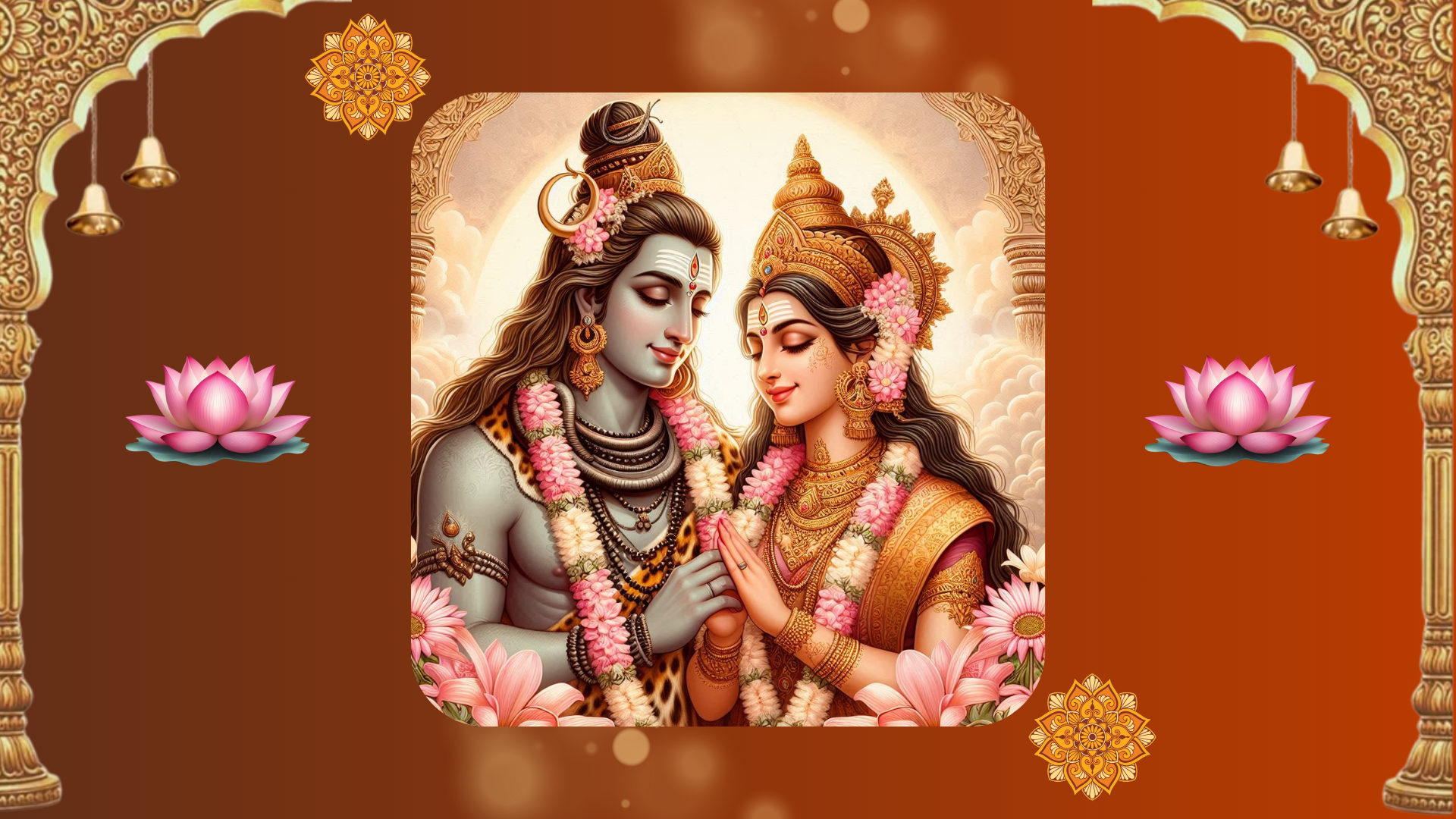
Swayamvara Parvati Homa is a sacred Vedic fire ritual (homa) dedicated to Bhagwati Parvati in her divine bridal form called Swayamvara Parvati. The word "swayamvara" comes from two Sanskrit words: "swayam" meaning "by oneself" and "vara" meaning "a chosen groom." Together, the name refers to the ancient Vedic tradition where a bride chose her own life partner from among assembled suitors. In this spiritual context, Swayamvara Parvati is the form of Devi Parvati who embodies that very act of choosing Bhagwan Shiva as her eternal consort through unwavering devotion and tapasya.
This homa is not just a ritual. It is a sacred invocation of the divine energy that Devi Parvati herself activated when she sought union with Bhagwan Shiva. When performed with correct vidhi and sankalpa by a shastra-trained pandit, the homa channels that same shakti toward the devotee, helping remove the karmic and astrological obstacles that are blocking their path to marriage and a fulfilled conjugal life.
The Swayamvara Parvati mantra that is chanted during this homa is considered one of the most potent mantras for marriage. It is a 48-letter moola mantra, equally revered in its Vedic power as the Gayatri mantra. As the Puranas describe, the mantra was gifted by Maharshi Durvasa to Devi Parvati after witnessing her extraordinary vairagya and devotion toward Mahadev. It is this same mantra that Devi Parvati is believed to have chanted even after her marriage to Bhagwan Shiva to preserve harmony and love between them.
The primary mantra chanted during this homa is:
Om Hreem Yogini Yogini Yogeswari Yoga Bhayankari Sakala Sthavara Jangamasya Mukha Hridayam Mama Vasam Akarsha Akarshaya Swaha
The meaning: "O Devi who is always in union with Bhagwan Shiva, O fearless one who is the Yogini of all yogas, draw all living beings toward me with a compassionate face and heart."
The Puranic Story Behind Swayamvara Parvati Homa
The spiritual foundation of this homa comes from one of the most beloved stories in the Shiva Purana and the Skanda Purana. Devi Parvati, daughter of Himavan (the king of the mountains) and Devi Maina, was born with a singular resolve: to be united with Bhagwan Shiva, the Adiyogi, as her husband. This was not an easy wish to fulfil. Bhagwan Shiva had retreated into deep samadhi after the self-immolation of his first consort, Devi Sati, at the yagna of Daksha Prajapati. He had turned away from the world, and no worldly means could reach him.
Devi Parvati chose the path of tapasya. She gave up all comfort, left the palace of Himavan, and performed intense austerities in the forests and mountains of the Himalayas. She ate only dry leaves in one season, lived only on water in another, and finally gave up even that. The Shiva Purana describes her tapas as so fierce that the heat she generated disturbed the three worlds. Even the Devatas were moved by her resolve and prayed to Bhagwan Shiva to accept her.
It was during this period of tapasya that Maharshi Durvasa, the revered sage known for his extraordinary spiritual power, recognised Devi Parvati's vairagya and gave her the Swayamvara Parvati mantra. This mantra carried the shakti of her own devotion. It enabled her to draw Bhagwan Shiva toward her through the power of divine attraction, not force or persuasion. In the Vedic understanding, this is the purest form of vivaha: two souls aligning through spiritual merit, devotion, and divine timing.
Their divine marriage (Shiva Parvati Kalyanam) is celebrated across all Shaiva and Shakta traditions as the most auspicious vivaha in all creation. It is from this sacred union that the Swayamvara Parvati Homa draws its spiritual authority. When a devotee performs this homa with sincere sankalpa and correct vidhi, they are invoking the same energy that brought together Shiva and Shakti, asking Bhagwati Parvati to extend that grace toward their own vivaha.
The Agama Shastras also sanction this homa as a parihara (remedy) for specific astrological conditions that obstruct marriage, particularly afflictions in the 7th house (Kalathra Sthana) of the natal chart.
Why is My Marriage Getting Delayed? The Jyotish Perspective
In Vedic Jyotish, the 7th house of the natal chart is called the Kalathra Sthana. It governs marriage, the life partner, conjugal happiness, and partnerships. When malefic planets affect this house or its ruler, marriage can get delayed, broken alliances can repeat, or the marriage that does happen may lack harmony.
Some of the most common astrological reasons for marriage delay are:
Swayamvara Parvati Homa directly addresses these karmic and planetary causes. The ritual works at the level of subtle energy, neutralising the negative planetary influence through the superior divine energy of Bhagwati Parvati, who herself overcame all cosmic obstacles to be united with Bhagwan Shiva.
A Jyotish consultation before the homa is always recommended so the pandit can set the correct sankalpa targeting your specific dosha. Jyotirgamaya offers combined homa and Jyotish consultation packages for this reason.
Benefits of Swayamvara Parvati Homa
The Swayamvara Parvati Homa is one of the few Vedic rituals that addresses marriage and relationships across all stages: before marriage, during the process of finding a partner, and after marriage. Its benefits are therefore wide and meaningful.
How Swayamvara Parvati Homa is Performed at Jyotirgamaya
At Jyotirgamaya, every Swayamvara Parvati Homa is performed as an individual homa, never as a shared or group ritual. This ensures that the sankalpa is dedicated entirely to you, and the full energy of the ritual is directed toward your intention.
The procedure follows the classical Agama Shastra vidhi and includes the following steps in sequence:
Who Should Book Swayamvara Parvati Homa?
This homa is suitable for a wide range of devotees. You should consider booking this homa if any of the following applies to you:
Both men and women can perform this homa. While it is especially associated with unmarried women seeking an auspicious husband, the Puranas and Agama Shastras confirm that this homa is equally effective when performed for men or by married couples.
Auspicious Timings for Swayamvara Parvati Homa
The timing of a homa plays a significant role in its efficacy. In Vedic tradition, the power of a ritual is amplified when it is performed on an auspicious tithi (lunar day), vara (weekday), and nakshatra (lunar mansion) that align with the deity being invoked and the purpose of the ritual.
Swayamvara Parvati Homa Online: For NRI Devotees Worldwide
Distance is not an obstacle to receiving the blessings of Bhagwati Parvati. At Jyotirgamaya, we have performed Swayamvara Parvati Homa on behalf of devotees living in the USA, UK, Canada, UAE, Australia, Singapore, and across Europe. The spiritual efficacy of the homa does not diminish because you are unable to be present physically. What matters is the sincerity of your sankalpa and the correctness of the ritual.
Here is how the online homa process works for NRI devotees at Jyotirgamaya:
Step 1: Online Booking - You book the homa through our website and share your birth details (date, time, and place of birth) along with your name, gotra, and nakshatra.
Step 2: Personalised Sankalpa - Your full sankalpa details (your name, your father's name, your gotra, your nakshatra, and your specific vivaha-related intention) are incorporated into the ritual before it begins.
Step 3: Live Puja via Video Call - On the day of the homa, you are invited to join via YouTube Live to witness the ritual as it is being performed. You can see the homa kunda, hear the mantras being chanted, and participate in the spiritual energy of the ritual in real time.
Step 4: Video Recording - If your time zone makes live attendance difficult, a full video recording of the ritual including your sankalpa recitation is sent to you after the homa is complete.
Step 5: Prasad Delivery - The sacred prasad (kumkuma, vibhuti from the homa, and energised swayamvara yantra where applicable) is shipped to your India address.
For parents in India booking on behalf of their child abroad: You may book the homa in your child's name. The sankalpa is set with your child's details and the intention is dedicated entirely to them.
Swayamvara Parvati Yantra: The Sacred Geometric Form of Bhagwati Parvati
A yantra is a sacred geometric diagram that serves as the physical form of a deity's energy. The Swayamvara Parvati Yantra is the geometric representation of Bhagwati Parvati in her Swayamvara swarupa, the form in which she actively draws her chosen consort toward her through divine shakti.
In the Shakta Agamas and Tantric traditions, yantras are not mere symbols. They are considered living, activated instruments of divine energy when consecrated through the correct ritual process. The Swayamvara Parvati Yantra, when energised through the homa and mantra japa, becomes a powerful medium for the deity's blessings to work continuously in the devotee's life.
At Jyotirgamaya, the Swayamvara Parvati Yantra included in select homa packages is energised through the homa itself. The vibhuti from the fire and the mantra vibrations of the Swayamvara Parvati moola mantra are inscribed into the yantra's energy through the process of Prana Pratishta. The energised yantra is then sealed and dispatched as part of the homa prasad.
Devotees can place the yantra in their puja space, facing east, and offer a fresh flower and a few drops of water to it each morning while chanting "Om Hreem Swayamvarayai Gauryai Namah." This maintains the yantra's active connection to Bhagwati Parvati's blessing energy.
In the spiritual realm, physical boundaries hold no power, ensuring a connection between you and the divine.

Experience the spiritual essence from the comfort of your home by tuning into live streams of the rituals performed by experienced priests.

If you miss the live event, a recorded video will be provided, allowing you to watch the sacred rituals at your convenience.

Receive blessed prasad delivered directly to your home, ensuring you remain connected to the divine blessings.

Participate in the rituals remotely without the need to visit the temple.

Stay spiritually connected through live and recorded rituals, with blessings brought to you through prasad delivery.
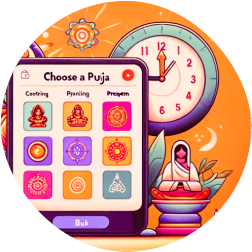
1
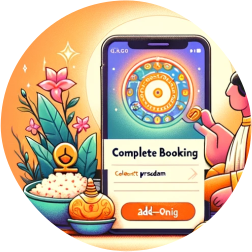
Select one or more main rituals as per your spiritual need.
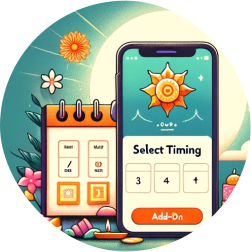
2
Add optional offerings to deepen your spiritual experience.
3
Confirm securely so all selected rituals and offerings are included.
Frequently Asked Questions About Swayamvara Parvati Homa
Q1. What is Swayamvara Parvati Homa and why is it performed?
Swayamvara Parvati Homa is a Vedic fire ritual dedicated to Bhagwati Parvati in her divine bridal form. It is performed to remove the karmic and astrological obstacles that delay marriage, to help unmarried individuals find a compatible life partner, and to restore love and harmony in the lives of married couples. The homa draws its authority from the story in the Shiva Purana where Bhagwati Parvati performed intense tapasya and used the Swayamvara Parvati mantra gifted by Maharshi Durvasa to unite with Bhagwan Shiva. The same divine energy is invoked in this ritual on behalf of the devotee.
Q2. Who can perform Swayamvara Parvati Homa? Is it only for women?
This homa is not limited to women. Unmarried men, unmarried women, married couples, and even parents booking on behalf of their son or daughter can all perform this homa. The Puranas and Agama Shastras do not restrict this ritual by gender. While it is especially associated with women seeking an auspicious husband, because Bhagwati Parvati herself is the presiding deity, men facing marriage delay due to kundali doshas benefit equally from this homa. Married couples seeking to strengthen their bond or resolve conflict can also perform it.
Q3. What is the Swayamvara Parvati mantra and what does it mean?
The Swayamvara Parvati moola mantra is: Om Hreem Yogini Yogini Yogeswari Yoga Bhayankari Sakala Sthavara Jangamasya Mukha Hridayam Mama Vasam Akarsha Akarshaya Swaha. This mantra has 48 letters and is described in the Puranas as the mantra given by Maharshi Durvasa to Bhagwati Parvati so she could attract Bhagwan Shiva to her. The rough meaning is: "O Devi who is the Yogini of all yogas, O fearless one, draw all living and non-living beings toward me with a compassionate heart and gracious face." The mantra activates the energy of divine attraction, removes the subtle karmic resistance to marriage, and aligns the devotee's consciousness with the grace of Bhagwati Parvati.
Q4. How many times is the mantra chanted during the homa?
The minimum is 108 chantings during the homa, with each chanting accompanied by an ahuti (offering) into the sacred fire. For cases involving severe doshas such as a heavily afflicted 7th house, strong Kuja Dosha, or repeated broken alliances, the pandit may extend the japa to 1008 times. At Jyotirgamaya, the number of mantra recitations is decided after reviewing your birth chart so that the homa is correctly calibrated to your specific situation.
Q5. Is Swayamvara Parvati Homa effective for Manglik Dosha?
Yes. Swayamvara Parvati Homa is one of the most widely recommended pariharas for Manglik Dosha (Kuja Dosha). When Mangal (Mars) is placed in the 1st, 4th, 7th, 8th, or 12th house of the natal chart, it is considered a Manglik condition that can delay marriage or create friction in conjugal life. This homa pacifies the fiery energy of Mangal by invoking the superior shakti of Bhagwati Parvati and restores the auspiciousness of the 7th house. In many cases, the homa is performed alongside a separate Kuja Dosha Shanti for stronger results. A Jyotish consultation before booking will help determine the right combination for your chart.
Q6. Can this homa help if my marriage alliance keeps breaking at the last moment?
Yes. Repeated last-minute alliance breakdowns are often a sign of Rahu or Ketu afflicting the 7th house or the Lagna, or of unresolved Pitru Dosha that is blocking auspicious events in the family. Swayamvara Parvati Homa directly addresses this pattern by purifying the energy around the vivaha karma and invoking Bhagwati Parvati's grace to ensure that what is meant for you reaches you without interruption. In some cases, combining this homa with a Rahu Ketu Shanti is recommended, which Jyotirgamaya can advise on after a chart review.
Q7. Can I book this homa online if I am living abroad?
Yes. Jyotirgamaya offers complete online booking and participation for NRI devotees living in the USA, UK, Canada, UAE, Australia, Singapore, and other countries. The homa is performed in India by our shastra-trained pandits with your personalised sankalpa set in your name and nakshatra. You can join live via YouTube LIVE on the day of the homa. If your time zone makes live attendance difficult, a full video recording is shared with you after the ritual is complete. Prasad including kumkuma, homa vibhuti, and the energised Swayamvara Parvati Yantra (in applicable packages) is shipped to your India address.
Q8. How long does Swayamvara Parvati Homa take to show results?
This is one of the most common questions and the honest answer is that it varies from person to person. The nature and depth of the dosha, the strength of the karmic block, and the sincerity of the sankalpa all play a role. Some devotees have reported positive movement in marriage alliances within a few weeks of the homa. For others with deeper astrological afflictions, the homa works over a longer period as the planetary energies gradually shift. What the homa does with certainty is remove the spiritual and karmic interference so that the natural progression toward marriage can resume. Performing the homa at the correct muhurta, with sincere sankalpa and the right pandit, gives it the best possible conditions to work.
Q9. Can a married woman perform Swayamvara Parvati Homa?
Yes, absolutely. Married women perform this homa for harmony in their married life, for resolution of conflict with their husband, for improving emotional understanding between partners, and for seeking the blessings of Bhagwati Parvati for santana (children). The Puranas specifically mention that Bhagwati Parvati herself chanted the Swayamvara mantra after her marriage to Bhagwan Shiva to maintain peace and love in their relationship. So this homa is entirely appropriate for married women as well.
Q10. What is the difference between Swayamvara Parvati Homa and Swayamvara Parvati Puja?
The Swayamvara Parvati Puja is the worship ritual performed through offerings, flowers, incense, lamps, naivedya (food offering), and mantra recitation (japa) before the idol or yantra of Bhagwati Parvati. It is a complete and meaningful ritual in itself. The Swayamvara Parvati Homa takes all of this further by adding Agni (sacred fire) as the central element. In the homa, each mantra chanting is accompanied by an ahuti (offering) into the consecrated fire, and Agni Deva acts as the divine messenger who carries the devotee's sankalpa directly to Bhagwati Parvati. The Agama Shastras describe homa as a more intense and faster-acting form of the ritual compared to puja alone, because fire purifies and transmits with a force that no other element matches. At Jyotirgamaya, we perform both the puja and the homa as combined steps in our Swayamvara Parvati Homa package.
Q11. On which day is Swayamvara Parvati Homa most effective?
Shukravar (Friday) is the most auspicious day for this homa, as it is ruled by Shukra (Venus), the karaka graha for marriage, love, and conjugal happiness. Among tithis, the Panchami, Ashtami, and Trayodashi of Shukla Paksha (waxing moon) are most beneficial. Among nakshatras, Rohini, Uttara Phalguni, Hasta, and Swati are considered ideal. Special days such as Navratri, Parvati Jayanti, and Akshaya Tritiya amplify the shakti of the ritual significantly. At Jyotirgamaya, your personalised muhurta is calculated based on your Janma Nakshatra and the current tithi and graha sthiti so the homa is timed for maximum benefit specific to you.
Q12. Do I need to be present in person for the homa?
No. The homa can be performed entirely on your behalf by our pandits at Jyotirgamaya. Your presence at the location is not required. What is required is your correct sankalpa details: your full name, your father's name, your gotra, and your Janma Nakshatra. These details are recited by the pandit at the beginning of the ritual so the entire energy of the homa is dedicated to you. You may join via video call if you wish, but it is not mandatory for the homa to be fully effective.
Q13. Is it necessary to consult a Jyotishi before booking this homa?
It is strongly recommended, though not mandatory. A brief Jyotish consultation helps identify the exact nature of the dosha blocking your marriage, whether it is Kuja Dosha, Shani in the 7th house, Rahu Ketu on Kalathra Sthana, weak Shukra, or Pitru Dosha. This ensures that the homa is performed with a targeted sankalpa addressing your specific karmic pattern. Without this, the homa is still beneficial as a general Bhagwati Parvati upasana for vivaha, but with a Jyotish-backed sankalpa it becomes a precise and personalised remedy. Jyotirgamaya offers combined Jyotish consultation and homa packages for this reason.
Q14. What samagri is used in Swayamvara Parvati Homa and why?
The samagri used in this homa is specifically chosen based on its connection to Bhagwati Parvati and to Shukra (Venus), the karaka for vivaha. The main items include pure cow ghee (which is the primary offering in all Vedic homas and represents purity and nourishment), lotus flowers (the favourite of Bhagwati Parvati and associated with divine grace), bilva leaves (sacred to both Bhagwan Shiva and Bhagwati Parvati), red hibiscus (associated with Shakti upasana), turmeric or haridra (considered deeply auspicious for vivaha), sandal paste or chandanam (cooling and purifying), gudanna or jaggery rice (the main naivedya for Bhagwati Parvati in her Swayamvara form), and sacred samidhas (homa firewood). Each of these items carries a specific vibration that, when offered into the sacred fire with the mantra, creates the spiritual environment for Bhagwati Parvati's grace to manifest.
Q15. Can parents book this homa on behalf of their son or daughter?
Yes. Many parents book Swayamvara Parvati Homa on behalf of their son or daughter who is facing marriage delay. The sankalpa is set in the child's name with their nakshatra and the intention is dedicated entirely to them. The homa is equally effective whether the beneficiary is present or not, as long as the sankalpa details are correctly provided. Parents living in India booking for a child living abroad, or NRI parents booking for a child in India, both situations are handled seamlessly through Jyotirgamaya's online process.
Q16. Can Swayamvara Parvati Homa and Rahu Ketu Shanti be performed together?
Yes, and in many cases this combination is specifically recommended by Jyotishis when the birth chart shows Rahu or Ketu afflicting the 7th house or its karaka Shukra. Rahu Ketu Shanti addresses the shadow planetary energy that creates confusion and disruption in marriage prospects, while the Swayamvara Parvati Homa invokes the positive divine grace that draws an auspicious match forward. Performing both in close sequence, as advised by the Jyotishi based on your chart, tends to produce stronger results than either ritual alone. Jyotirgamaya offers combined packages for this.
Q17. How is prasad from Swayamvara Parvati Homa delivered?
After the homa is complete, the sacred prasad is packed and dispatched from Jyotirgamaya. For devotees within India, it is delivered by courier to your India home address. The standard prasad pack includes kumkuma (sacred red powder blessed in the ritual), vibhuti from the homa (sacred ash from the fire which carries the concentrated shakti of the mantra), and in applicable packages, an energised Swayamvara Parvati Yantra. Delivery timelines are shared at the time of booking.
Q18. What sevas are available for Swayamvara Parvati Homa at Jyotirgamaya and what are the prices?
Jyotirgamaya offers five sevas for Swayamvara Parvati Homa, each designed for a different level of participation and cosmic alignment.
Begin Your Online Spiritual journey with us, and experience the serenity of divine blessings, wherever you are.
Please note: The temple mentioned above may change based on certain on-ground dynamics. However, please be assured that the puja will definitely be conducted in an appropriate temple without any compromise.
26 August 2026
16 September 2026
29 October 2026


