Ganapati Homam: Invoke Vighneshvara to Remove Obstacles, Relieve Ketu Dosh and Open the Path to Success
 Friday 13 November, 2026
Puja will be held at Shri Adinarayana Perumal Temple, Coimbatore, and you can experience from your home!
A sacred Vedic fire ritual performed by expert pandits on your behalf. Book online, watch live, and receive prasad at your home, anywhere in India.
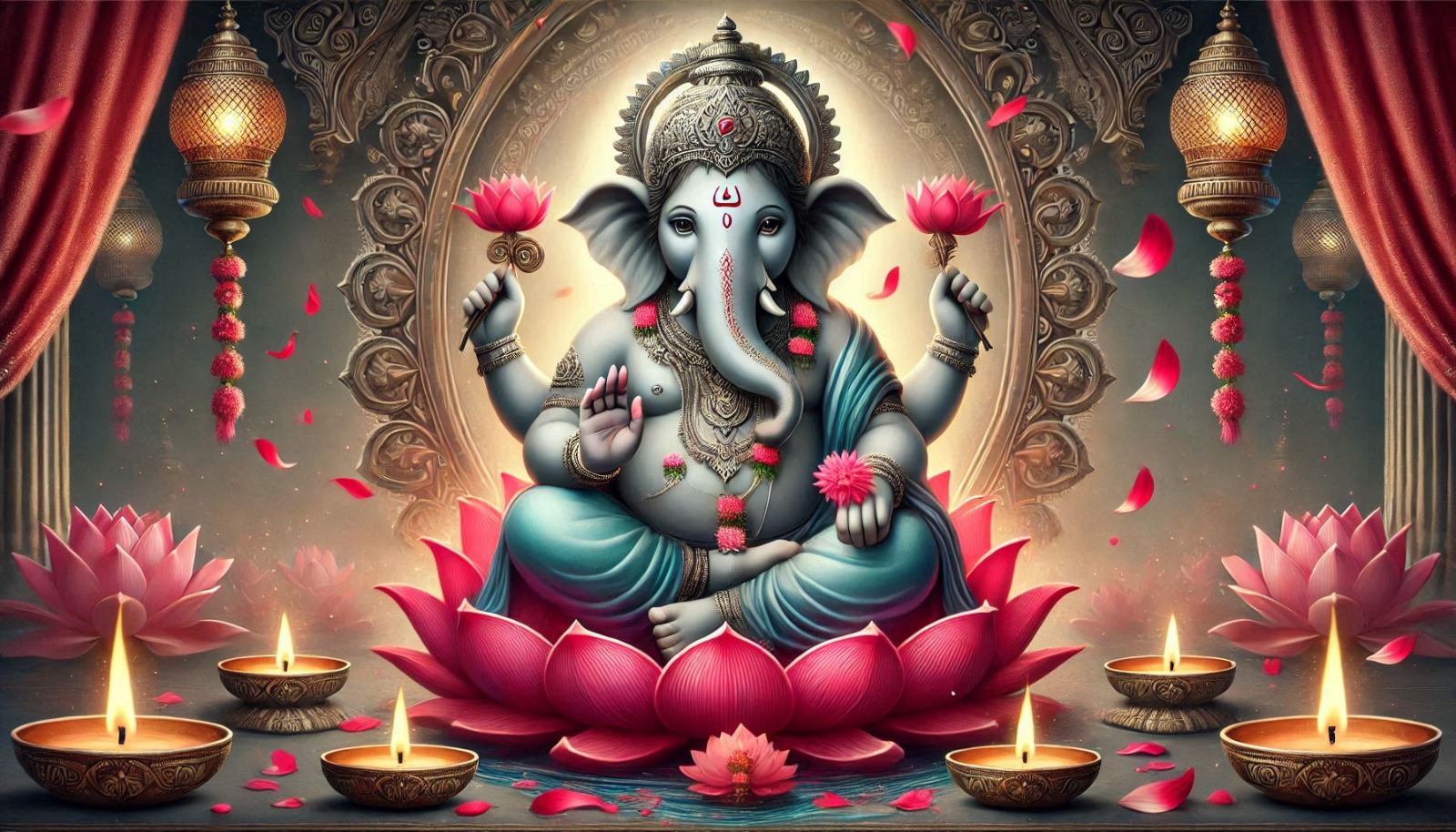
Ganapati Homam is a powerful Vedic homa dedicated to Shri Ganesha, the Vighneshvara and Prathamapujya of all Devatas. It is performed to remove obstacles, correct Ketu Dosh in the kundali, attract prosperity, and ensure divine blessings at the start of any new venture or major life event.

Vedic Significance

Remover of Obstacles
In Vedic texts, Ganesha is revered as Vighneshvara, the remover of all obstacles. Performing the homam clears barriers in both material and spiritual pursuits.

Attain Wisdom and Knowledge
Shri Ganesha represents intellect and wisdom. The homam enhances knowledge, clarity of mind, and the ability to make insightful decisions in all aspects of life.

Blessings for New Beginnings
Start fresh with positive energy and divine blessings to ensure success and growth in your new endeavors.

Ketu Dosha Remedy
Shri Ganesha is the Adhipati Devata of Ketu. This Homam pacifies Ketu Dosha in your kundali, easing confusion, delays and karmic blockages caused by an afflicted Ketu.
Sevas we offer for Ganapati Homam
Divine Story, Benefits, and Sacred Sevas of this Auspicious Puja
What Is Ganapati Homam (Gana Homa)? Meaning, Purpose and Vedic Roots
Ganapati Homam, also called Gana Homa, Maha Ganapathi Yagam, or Vinayaka Havan, is one of the most important fire rituals in the Vedic tradition. It is performed to invoke the blessings of Shri Ganesha, the first among all Devatas and the one who controls all beginnings.
The word "Homam" comes from the Sanskrit root "Hu," which means to offer into fire. In this ritual, sacred offerings are placed into Agni, the sacred fire, along with the chanting of Ganapati mantras. This act of offering purifies the space, the sevakartha, and the surrounding energies, while calling upon Shri Ganesha to remove all obstacles and grant success.
Shri Ganesha is known by many names in the Vedic scriptures: Vighneshvara (remover of obstacles), Prathamapujya (first among all who receive worship), Lambodara (the one with a large belly that holds all of creation), Gajamukha (elephant-faced), Vinayaka (the supreme leader), and Gajanana. Each name describes a quality that makes him the most important Devata to invoke before any new beginning, major decision, or spiritual ritual.
The Rigveda mentions Ganapati in the Ganapati Atharva Shirsha Upanishad, which describes Shri Ganesha as Brahma, Vishnu, Rudra, Indra, and all the cosmic forces combined. The Mudgala Purana and the Ganesha Purana both describe in detail the nature, forms, and powers of Shri Ganesha and the importance of his worship through homa.
Performing Ganapati Homam is not simply a religious act. It is a precise Vedic technology that uses sound (mantra), fire (agni), sacred offerings (ahuti), and intention (sankalpa) to create a channel between the sevakartha and the divine energy of Shri Ganesha.
Why Ganapati Homam Holds Deep Vedic and Jyotish Significance
Shri Ganesha as the Ruler of Ketu
In Vedic Jyotish, Ketu is a shadow graha that represents past karma, spiritual liberation, sudden disruptions, and detachment. According to classical Jyotish texts including the Brihat Parashara Hora Shastra, Ketu and Ganesha share a deep connection. Shri Ganesha is considered the Adhipati Devata of Ketu.
When Ketu is placed in difficult positions in a kundali, or when a person is going through Ketu Mahadasha or Ketu Antardasha, they may experience confusion, unexpected losses, health challenges, delays, and a feeling of being blocked. Performing Ganapati Homam during this period is one of the most powerful remedies recommended in classical Jyotish.
The Prathamapujya Status of Shri Ganesha
The Skanda Purana narrates how Shri Ganesha received the boon of being worshipped first before all other Devatas. Brahma himself declared that any worship, yagna, homa, or sacred act performed without first invoking Shri Ganesha would not yield its full result. This is why every Vedic ritual begins with Ganapati Puja or Ganapati Homam.
Dhruva Nakshatra and Shubha Muhurta for Gana Homa
The most auspicious times to perform Ganapati Homam according to classical Jyotish texts are:
- Vinayaka Chaturthi (Shukla Chaturthi of every month)
- Sankashti Chaturthi (Krishna Chaturthi of every month)
- Ganesha Chaturthi in Bhadrapada month (the main annual celebration)
- Angarkha Yoga (when Chaturthi falls on a Tuesday, considered especially powerful for Ganesha worship)
- Any Shubha Muhurta at the start of a new business, marriage, griha pravesh, or educational year
- The third day of Navratri (Tritiya)
Jyotirgamaya carefully selects these auspicious dates and conducts Ganapati Homam at the right muhurta to ensure the maximum benefit for every sevakartha.
Who Should Perform Ganapati Homam and When?
Ganapati Homam is beneficial for almost every person in every stage of life. Below are the key situations where this homa is especially recommended:
- Facing repeated obstacles in life: If you feel that despite your hard work, things keep getting blocked, plans fall through, or you face one delay after another, it often indicates vigna (obstacle) caused by unresolved karmic patterns or an afflicted Ketu. Ganapati Homam helps clear these patterns and opens the path forward.
- Starting a new business or venture: Shri Ganesha is the Devata of new beginnings. Performing Gana Homa before launching a business, signing a major contract, or starting a new project invites his blessings for smooth progress and lasting success.
- Ketu Dasha or Ketu Dosh in the kundali: If your Jyotish reading has revealed Ketu Dosh, Ketu Mahadasha, or a heavily afflicted Ketu, Ganapati Homam is the classical remedy. It appeases Shri Ganesha as the Ketu Adhipati and reduces the negative effects of Ketu on your life.
- Students and those in education: Shri Ganesha is the Devata of buddhi (intellect), vidya (knowledge), and viveka (discernment). Students preparing for exams, competitive tests, or higher education benefit greatly from this homa.
- Marriage and relationship struggles: Obstacles in finding a suitable match, repeated delays in marriage, or family conflicts can often be addressed through Ganapati Homam, as it removes vigna in personal life as well.
- Griha Pravesh and property matters: Moving into a new home, buying property, or beginning a construction project are all occasions where Ganapati Homam is traditionally performed to ensure the new space is blessed and obstacle-free.
- Health recovery and mental clarity: The fire ritual and mantra chanting create a deeply purifying effect on both the physical and mental energies of the sevakartha. Those recovering from illness, dealing with anxiety, or seeking clarity in a difficult situation benefit from this homa.
- Regular spiritual seekers: Even without a specific problem, performing Ganapati Homam regularly on Chaturthi is a powerful spiritual practice that builds positive karma and strengthens one's connection with the divine.
What Benefits Does Ganapati Homam Bring? A Shastra-Based Overview
The Ganesha Purana and the Mudgala Purana extensively describe the phala (results) of Ganapati Aradhana. When performed correctly with proper sankalpa, mantra, and ahuti, the Ganapati Homam brings the following benefits:
- Vighna Nivarana (Removal of Obstacles): The most central benefit. All types of obstacles, whether in business, career, education, marriage, health, or spiritual practice, are addressed through the power of Shri Ganesha.
- Dhana Labha (Wealth and Financial Prosperity): Shri Ganesha as Lakshmi Ganapati is associated with abundance. The homa helps remove financial blockages and attract opportunities for wealth.
- Buddhi Vriddhi (Growth of Intellect): Students, professionals, and anyone facing complex decisions receive clarity and improved decision-making ability.
- Aarogya Praapti (Good Health): The healing energy invoked through the homa supports recovery from physical illness and brings mental peace.
- Shatru Nashana (Victory Over Adversaries): Shri Ganesha as Vikata Ganapati protects from enemies, competition, and negative forces both seen and unseen.
- Ketu Dosh Shanti (Relief from Ketu Affliction): As the Adhipati Devata of Ketu, Shri Ganesha's blessings through this homa directly reduce the negative karma associated with Ketu Dosh.
- Sampada Vriddhi (Growth in All Resources): Family harmony, professional growth, social respect, and spiritual progress all increase with regular Ganapati Homam.
- Ishtartha Siddhi (Fulfilment of Wishes): When performed with sincere sankalpa and devotion, the homa helps manifest heartfelt desires in alignment with one's dharma.
- Griha Shanti (Peace in the Home): Arguments, misunderstandings, and negative energies in the home environment are cleared, bringing lasting peace.
How Jyotirgamaya Conducts Your Ganapati Homam Step by Step
Jyotirgamaya follows the complete Vedic procedure for Ganapati Homam as described in the Apastamba Grihyasutra and the Smartha puja paddhati. Every step is performed with Shastra pramaana by experienced Vedic pandits at an authentic temple.
Here is the complete sequence of the ritual:
- Anujnaa (Seeking Permission): The ritual begins by seeking permission from Shri Ganesha himself to start the homa. This is done through a specific set of shlokas.
- Aachamanam (Purification of the Pandit): The pandit purifies himself by sipping sacred water and reciting purification mantras. This ensures the ritual is conducted in a clean and sanctified state.
- Vighneswara Puja (Invocation of Shri Ganesha): Shri Ganesha is formally invoked and welcomed into the sacred space. This puja establishes his presence as the presiding Devata for the entire ritual.
- Pranayama and Sankalpam (Vow and Intention): The pandit takes the Sankalpa in the name of the sevakartha and their family. This is the moment where your name, gotra, nakshatra, and desire are formally offered to Shri Ganesha. For Jyotirgamaya sevakarthas who have booked online, the Sankalpa is taken with full details provided at the time of booking.
- Kalasa Shuddhi (Purification of the Sacred Vessel): A kalasa (pot of water) is purified and consecrated, representing the primordial waters of creation. It becomes a receptacle of divine energy during the ritual.
- Agni Pratishthapana (Establishing the Sacred Fire): The homam kund (fire pit) is prepared and the sacred fire is established through Vedic mantras. Agni, the fire Devata, is invoked as the carrier of offerings to Shri Ganesha.
- Dikpaalaka Puja (Worship of the Eight Directions): The eight directional guardians are worshipped to purify and protect the ritual space from all sides.
- Panchopachara Puja (Five Sacred Offerings to Shri Ganesha): Five offerings including gandha (sandal), pushpa (flowers), dhupa (incense), dipa (lamp), and naivedya (food) are made to Shri Ganesha.
- Dhurva and Modak Offerings: Dhurva (sacred grass, which is especially dear to Shri Ganesha) and modak (his favourite sweet) are offered with devotion.
- Ganapati Mantra Chanting and Ahuti (Fire Offerings with Mantras): The core of the homa. Sacred offerings of ghee, sesame, rice, and other Vedic dravyas are poured into the fire while the pandits chant the Ganapati mantras, including the Ganesha Beej Mantra, the Ashtottara, and the Ganapati Atharva Shirsha.
- Sahasra Jaap Seva (1008 Chantings of the Beej Mantra): The Ganesha Beej Mantra, Om Gam Ganapataye Namah, is chanted 1008 times by Vedic pandits on behalf of each sevakartha. This mantra carries the seed sound "Gam," which directly activates the energy of Shri Ganesha. The 1008 repetitions create a powerful wave of divine vibration that benefits the sevakartha even from a distance.
- Dhurva-Pushpa Archana: Sacred Dhurva grass and fresh flowers are offered to Shri Ganesha while his 108 names are chanted, further deepening the invocation.
- Mangalaarti: The arti is performed to conclude the puja portion and honour Shri Ganesha's presence.
- Poornahuthi (Final Offering): The concluding offering is made into the fire, completing the homam. This signifies that all desires and prayers of the sevakartha have been formally submitted to Shri Ganesha.
- Prasadam Vitaran: Prasadam is distributed to all devotees present at the temple. For online sevakarthas, prasadam is packed and dispatched by post to reach their home, free of charge, anywhere in India.
Why attend puja online with us?
In the spiritual realm, physical boundaries hold no power, ensuring a connection between you and the divine.

Live Ritual Viewing
Experience the spiritual essence from the comfort of your home by tuning into live streams of the rituals performed by experienced priests.

Recorded Ceremony Video
If you miss the live event, a recorded video will be provided, allowing you to watch the sacred rituals at your convenience.

Free Prasad Delivery
Receive blessed prasad delivered directly to your home, ensuring you remain connected to the divine blessings.

Convenience
Participate in the rituals remotely without the need to visit the temple.

Spiritual Connection
Stay spiritually connected through live and recorded rituals, with blessings brought to you through prasad delivery.
How to book Ganapati Homam puja
1
Choose your seva
Select one or more main rituals as per your spiritual need.

2
Choose offerings
Add optional offerings to deepen your spiritual experience.

3
Complete your booking
Confirm securely so all selected rituals and offerings are included.
Click Here To Book Puja
Why Choose Jyotirgamaya for Your Ganapati Homam?
- Authentic Vedic Pandits: Every homa is conducted by Vedic pandits who have trained in the traditional gurukula system. Mantras are chanted with the correct swara (intonation), chandas (rhythm), and bhava (devotion) as required by the Vedic tradition.
- Shastra-Based Procedure: Jyotirgamaya follows the complete Vedic paddhati for every ritual. There are no shortcuts or simplified versions. You receive the full benefit of a properly conducted Vedic homa.
- Transparent and Trustworthy: The temple, date, time, and ritual procedure are clearly communicated. Jyotirgamaya has built a track record of conducting hundreds of pujas and homas on behalf of sevakarthas across India and around the world.
- Accessible from Anywhere: Whether you are in Mumbai, Bengaluru, Delhi, or living in the USA, UK, Canada, Australia, or the Middle East, you can participate fully through live streaming and receive prasadam at your home.
- Sankalpa as the Bridge: Jyotirgamaya understands that the Sankalpa is what makes a homa personal and powerful. Your name, family name, nakshatra, and intention are always formally included. The phala of the homam belongs to you.
- No Compromise on Sacred Spaces: Every Ganapati Homam is performed at a genuine, consecrated temple with proper Vastu and ritual purity. In the rare event that a temple changes due to on-ground reasons, Jyotirgamaya ensures an equivalent sacred space is used and keeps you informed.
Frequently Asked Questions About Ganapati Homam
Q1: What is Ganapati Homam and why is it performed?
Ganapati Homam is a Vedic fire ritual dedicated to Shri Ganesha, the Vighneshvara. It is performed to remove obstacles, relieve Ketu Dosh, attract success and prosperity, and seek divine blessings before new beginnings. Sacred offerings are placed into the fire while Vedic pandits chant Ganapati mantras on behalf of the sevakartha.
Q2: Who should perform Ganapati Homam?
Anyone facing repeated obstacles in life, business, career, marriage, or education should consider performing Ganapati Homam. It is also highly recommended for those undergoing Ketu Mahadasha or Ketu Antardasha, those starting new businesses or ventures, students preparing for exams, and those seeking spiritual growth.
Q3: What is the connection between Shri Ganesha and Ketu in Vedic astrology?
In Vedic Jyotish, Shri Ganesha is considered the Adhipati Devata of Ketu. When Ketu is afflicted in a kundali, performing Ganapati Homam is the classical remedy. It helps reduce the negative effects of Ketu Dosh and brings clarity, peace, and progress to the sevakartha.
Q4: Can I book Ganapati Homam online and still receive its full benefit?
Yes. According to the Vedic tradition, the Sankalpa is what connects the sevakartha to the ritual. When your name and intention are formally taken in the Sankalpa by the pandit, the phala (benefit) of the homam is directed to you, regardless of your physical location. The blessings of Shri Ganesha do not have geographical limits.
Q5: What is the best time to perform Ganapati Homam?
The most auspicious times are Vinayaka Chaturthi (Shukla Chaturthi of every month), Sankashti Chaturthi (Krishna Chaturthi), Ganesha Chaturthi in Bhadrapada, and Angarkha Yoga (when Chaturthi falls on Tuesday). Jyotirgamaya always selects the most auspicious muhurta for each homa.
Q6: What is the Ganesha Beej Mantra and why is it chanted 1008 times?
The Ganesha Beej Mantra is "Om Gam Ganapataye Namah." "Gam" is the seed sound (beej) that directly activates the energy of Shri Ganesha. Chanting it 1008 times creates a complete cycle of invocation as prescribed in the Vedic tradition. The number 1008 carries spiritual significance as it represents completeness and fullness in Vedic numerology.
Q7: What is Dhurva grass and why is it special to Shri Ganesha?
Dhurva (also written as Durva) is a sacred grass that holds a place of great importance in Ganesha worship. The Ganesha Purana and various Puranic texts describe how Dhurva is especially dear to Shri Ganesha. Offering Dhurva during Ganapati Homam is considered one of the most effective ways to invoke his blessings and remove vigna.
Q8: What is Ashtadravya Ganapathy Homam?
Ashtadravya Ganapathy Homam is a special form of Ganapati Homam where eight sacred items (Ashta Dravyas) are offered into the fire. These typically include coconut, ghee, jaggery, banana, modak, Dhurva, flowers, and betel leaves, each representing a specific quality being invoked. This form is especially popular in South India and is considered especially powerful.
Q9: What is Poornahuthi in a homam?
Poornahuthi is the final, concluding offering made into the sacred fire at the end of a homam. It represents the completion of the ritual and the formal submission of all prayers and intentions to the Devata. After Poornahuthi, the sevakartha's wishes are considered to have been placed before Shri Ganesha in their complete form.
Q10: How do I receive prasadam from an online Ganapati Homam?
After booking your Ganapati Homam with Jyotirgamaya, prasadam blessed during the ritual is packed and delivered to your registered address anywhere within India, at no additional cost. This physical connection ensures you remain linked to the divine energy of the homa even from a distance.
Q11: Is Ganapati Homam the same as Ganapati Puja?
No. Ganapati Puja involves the worship of Shri Ganesha through offerings such as flowers, incense, lamps, and food at a temple or home altar. Ganapati Homam is a more intensive Vedic ritual that additionally involves the sacred fire, specific Vedic ahutis, and the full Vedic homa paddhati. The Homam is considered more powerful in terms of obstacle removal and karmic cleansing.
Q12: Can Ganapati Homam be performed for a deceased family member's peace?
Ganapati Homam is primarily a Kamya Karma homa (performed for specific wishes and benefits) and a Vigna Nivarana ritual. For ancestral peace, specific rituals like Narayan Nagbali or Pitru Tarpana are more appropriate. However, Ganapati Homam can be performed at the beginning of any ancestral worship ritual to ensure its smooth and obstacle-free completion.
Book Your Ganapati Homam Today
This auspicious occasion is your opportunity to place your prayers, your family's wellbeing, and your life's goals at the feet of Vighneshvara himself.
Jyotirgamaya handles every detail of the ritual. Your only task is to book your seva, state your Sankalpa, and open your heart to receive.
Bookings close before the muhurta. Secure your seva now.
Please note: The temple mentioned above may change based on certain on-ground dynamics. However, please be assured that the puja will definitely be conducted in an appropriate temple without any compromise.
Upcoming dates for Same Puja
15 July 2026
20 August 2026