Why Is Kanyadaan Considered Sacred? Spiritual and Social Meaning Behind the Ritual
By: Pratima Argade
13 March 2026 at 3:35 AM
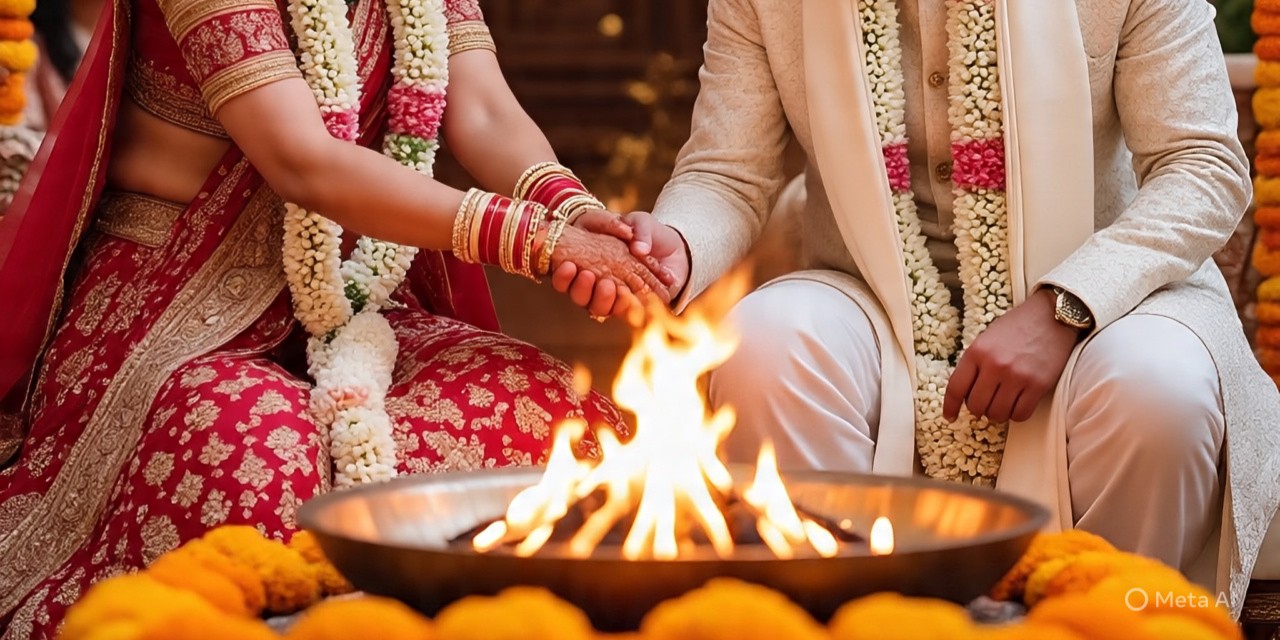
In a traditional Hindu wedding, there is a moment that often brings tears to the eyes of parents and deep emotion to everyone present in the mandap. The bride’s parents gently hold their daughter’s hand and place it into the groom’s hand while sacred Vedic mantras are being chanted. This moment is known as Kanyadaan, one of the most meaningful and sacred rituals of a Hindu marriage ceremony. While modern weddings are filled with celebration, music, and grand decorations, this quiet moment carries a depth that goes far beyond the visible ritual. To truly understand its importance, one must look at the spiritual philosophy and cultural wisdom that shaped this tradition in Sanatana Dharma.
In the Vedic view of life, marriage is not simply a union between two individuals but a sacred partnership guided by dharma, responsibility, and spiritual growth. A daughter is traditionally raised with love, care, and values by her parents for many years. When the time of marriage arrives, the parents symbolically entrust her well-being and future to her life partner. The ritual of Kanyadaan represents this moment of trust and blessing. It is not seen as giving away a daughter as an object, as it is sometimes misunderstood today, but rather as offering their most precious responsibility into a new sacred partnership. The word Kanyadaan itself carries deep meaning. In Sanskrit, Kanya refers to a maiden or daughter, and Daan means an offering made with devotion and purity of heart. In ancient Indian thought, daan was considered one of the highest acts of virtue when it was performed selflessly and with respect. Scriptures describe Kanyadaan as a sacred act because parents offer their blessings, love, and trust into the hands of the groom, who promises to honor and protect their daughter as his life partner. This moment symbolizes the merging of two families and the beginning of a new journey.
The ritual also reflects the values of responsibility and commitment that form the foundation of marriage. When the bride’s hand is placed in the groom’s hand, the groom accepts a vow before Agni and the assembled elders that he will care for his partner with respect, dignity, and affection. In many traditional ceremonies, sacred water is poured over the joined hands while Vedic mantras are recited. This act represents purity and sincerity, reminding the couple that marriage is not just a personal relationship but a commitment guided by dharma and mutual duty.
From a social perspective, Kanyadaan also played an important role in strengthening family bonds and community harmony. In earlier times, marriages were not just about two individuals but about connecting families and creating supportive networks within society. The ritual symbolized the trust that one family placed in another. By performing Kanyadaan, the bride’s parents publicly expressed their faith that the groom and his family would treat their daughter with kindness and respect. In return, the groom’s family accepted this responsibility with honor. There is also a deeply emotional dimension to this ritual that resonates with families even today. For parents, raising a child is one of life’s most meaningful journeys. From childhood to adulthood, they guide their daughter with love, protect her from difficulties, and celebrate her achievements. The moment of Kanyadaan reflects the bittersweet reality that she is now beginning a new chapter of life with her partner. It is a moment filled with pride, hope, and sometimes quiet tears, because it marks the transition from one stage of life to another.
Beyond its emotional meaning, Kanyadaan also carries a spiritual message. In the philosophy of Sanatana Dharma, every major life event is seen as part of a greater spiritual journey. Marriage is considered a grihastha dharma, a stage of life where individuals contribute to society while continuing their spiritual growth. By performing Kanyadaan, parents bless the couple so that their marriage may become a path of harmony, compassion, and shared purpose. The ritual reminds the couple that their union is meant not only for personal happiness but also for building a family guided by values and dharma.
Some modern discussions question whether the ritual fits within contemporary ideas of equality and independence. However, when viewed through the lens of its original meaning, Kanyadaan represents respect, trust, and responsibility rather than ownership or loss. The bride is not being “given away” in a literal sense; rather, her parents are expressing their blessings for her new life and welcoming another person into their extended family. In many modern weddings, couples reinterpret the ritual to emphasize partnership and mutual respect, while still honoring its spiritual essence.
Another beautiful aspect of Kanyadaan is the role of blessings from elders. In Indian culture, the guidance and goodwill of elders are considered an important part of life’s major decisions. During the ritual, the presence of parents and family members creates an atmosphere filled with goodwill and collective support. This sense of community strengthens the couple’s confidence as they step into married life, reminding them that they are not alone in their journey. When we look closely at this ancient tradition, it becomes clear that Kanyadaan is much more than a symbolic gesture during the wedding ceremony. It is a moment where love, responsibility, faith, and cultural values come together in a powerful way. The ritual reflects the deep respect that Indian culture places on family relationships and the importance of beginning a marriage with blessings and good intentions.
Even in modern times, when weddings often blend traditional rituals with contemporary style, Kanyadaan continues to remain one of the most meaningful moments in the ceremony. It reminds everyone present that marriage is not just about celebration but about trust, commitment, and the joining of two families through respect and affection. In that quiet moment when a daughter’s hand is placed into the hands of her partner, generations of wisdom and emotion are silently passed forward into a new beginning.