







Why Is Haldi Applied Before Marriage? The Hidden Ayurvedic Science of Haldi Ceremony
By: Pratima Argade
11 March 2026 at 11:34 AM
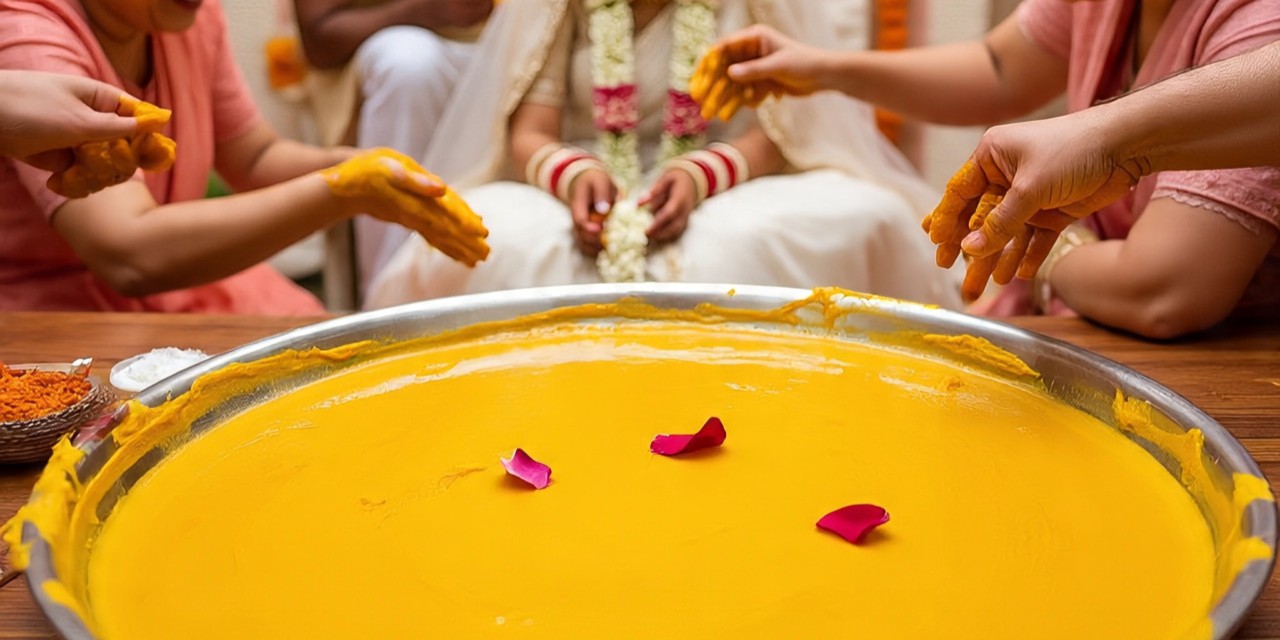
A day before a traditional Hindu wedding, there is a ceremony filled with laughter, music, and bright yellow colors. Family members gather around the bride or groom with bowls of turmeric paste, and one by one they gently apply it to their face, arms, and feet. The air is full of playful teasing, blessings, and joyful songs. This beloved ritual is known as the Haldi ceremony, and it is one of the most cheerful moments in Indian wedding celebrations. While many people see it simply as a fun pre-wedding tradition, the truth is that this ritual carries deep wisdom rooted in Ayurveda, health science, and spiritual symbolism that our ancestors carefully preserved for centuries.
Turmeric, or Haldi, has been one of the most respected substances in Indian culture for thousands of years. Ancient Ayurvedic texts describe Haldi as a powerful natural healer with cleansing and protective properties. It is known for its ability to fight bacteria, reduce inflammation, and purify the skin. Long before modern science discovered these benefits, our rishis understood that applying turmeric to the body could help protect the skin and strengthen the body’s natural defenses. By applying Haldi before marriage, families were not just beautifying the bride and groom but also preparing them physically and energetically for the new phase of life they were about to enter. In Ayurveda, the period before marriage was often seen as an important transition in a person’s life. The body and mind needed to be calm, balanced, and healthy. Turmeric played a helpful role in achieving this balance. It contains natural compounds that support skin healing and improve blood circulation, giving the skin a natural glow. Even today, many dermatologists recognize turmeric as a beneficial ingredient for skin care. When applied as a paste mixed with ingredients like sandalwood, rose water, or milk, Haldi works as a natural cleanser that removes impurities and brightens the complexion without the need for artificial products.
Beyond its visible beauty benefits, turmeric also has powerful antimicrobial and antiseptic qualities. Weddings involve large gatherings of people, travel, and physical exhaustion from continuous celebrations. In earlier times when medical facilities were limited, applying Haldi served as a protective layer for the skin, helping to prevent infections or minor skin problems. The turmeric paste formed a natural shield that supported the immune system of the bride and groom during the busy days of wedding rituals. In this way, the Haldi ceremony was not only symbolic but also a practical health precaution designed by wise ancestors.
There is also a calming effect associated with turmeric that many people overlook. Ayurveda teaches that certain natural herbs can influence our emotional state. Turmeric has mild properties that help reduce stress and inflammation in the body. The days before a wedding can be emotionally overwhelming, with excitement, nervousness, and anticipation all mixed together. Applying Haldi in a relaxed environment surrounded by loved ones helps the bride and groom slow down and enjoy the moment. The laughter, songs, and affectionate blessings create a peaceful atmosphere that helps release tension and fill the heart with happiness. The bright yellow color of turmeric also carries deep symbolic meaning in Indian culture. Yellow is associated with auspiciousness, positivity, and prosperity. It is the color of sunlight, warmth, and new beginnings. When the bride and groom are covered in Haldi, it is believed that they are being surrounded by positive energy and divine blessings for their upcoming married life. In many traditions, turmeric is also linked with Bhagwan Vishnu and Devi Lakshmi, symbolizing protection and abundance. By applying Haldi, families pray that the couple’s future together will be filled with harmony, prosperity, and good fortune.
Another interesting aspect of the Haldi ceremony is its role in strengthening family bonds. Unlike many other wedding rituals that are more formal, the Haldi ceremony is playful and relaxed. Relatives and friends actively participate, often applying turmeric with jokes and laughter. This creates a sense of emotional closeness between the two families who are about to become one. In psychological terms, such shared rituals help create stronger social connections and positive memories. The bride and groom feel supported and loved, which makes the transition into married life feel less overwhelming.
There is also a traditional belief that Haldi forms a protective shield against negative energies or unwanted influences. In ancient times, life events such as marriage were considered spiritually sensitive moments when individuals were more vulnerable to external energies. Turmeric, being sacred and purifying, was believed to remove negativity and create a protective aura around the couple. While modern science may not measure such energies directly, many cultures around the world use purification rituals before major life events, showing that the idea of energetic cleansing is deeply rooted in human tradition.
Interestingly, even modern wellness trends are rediscovering the benefits of turmeric that our ancestors already knew. Today turmeric is widely used in skin care products, health supplements, and herbal medicines across the world. Researchers continue to study curcumin, the active compound in turmeric, for its anti-inflammatory and healing properties. What modern science is gradually confirming was already part of daily life in traditional Indian households for centuries. The Haldi ceremony is a perfect example of how ancient traditions were often based on practical health knowledge disguised within cultural rituals. When we look at the Haldi ceremony closely, it becomes clear that it is far more meaningful than a colorful wedding custom. It represents a beautiful combination of Ayurvedic health care, emotional bonding, spiritual symbolism, and joyful celebration. The ritual prepares the bride and groom not only by enhancing their appearance but also by supporting their physical well-being, calming their minds, and surrounding them with blessings from family and the divine. It shows how thoughtfully our ancestors designed rituals that nurture both the body and the spirit.
Even in modern weddings filled with contemporary trends and elaborate decorations, the Haldi ceremony continues to hold a special place. People may experiment with new themes or styles, but the simple act of applying turmeric remains unchanged. Perhaps this is because the ritual touches something deeper within us. It reminds us that before stepping into a new chapter of life, it is important to pause, cleanse, celebrate, and receive the love and blessings of those around us. In that golden glow of turmeric, the bride and groom are not just preparing for a wedding day - they are being gently guided into a new journey of companionship, happiness, and shared destiny.