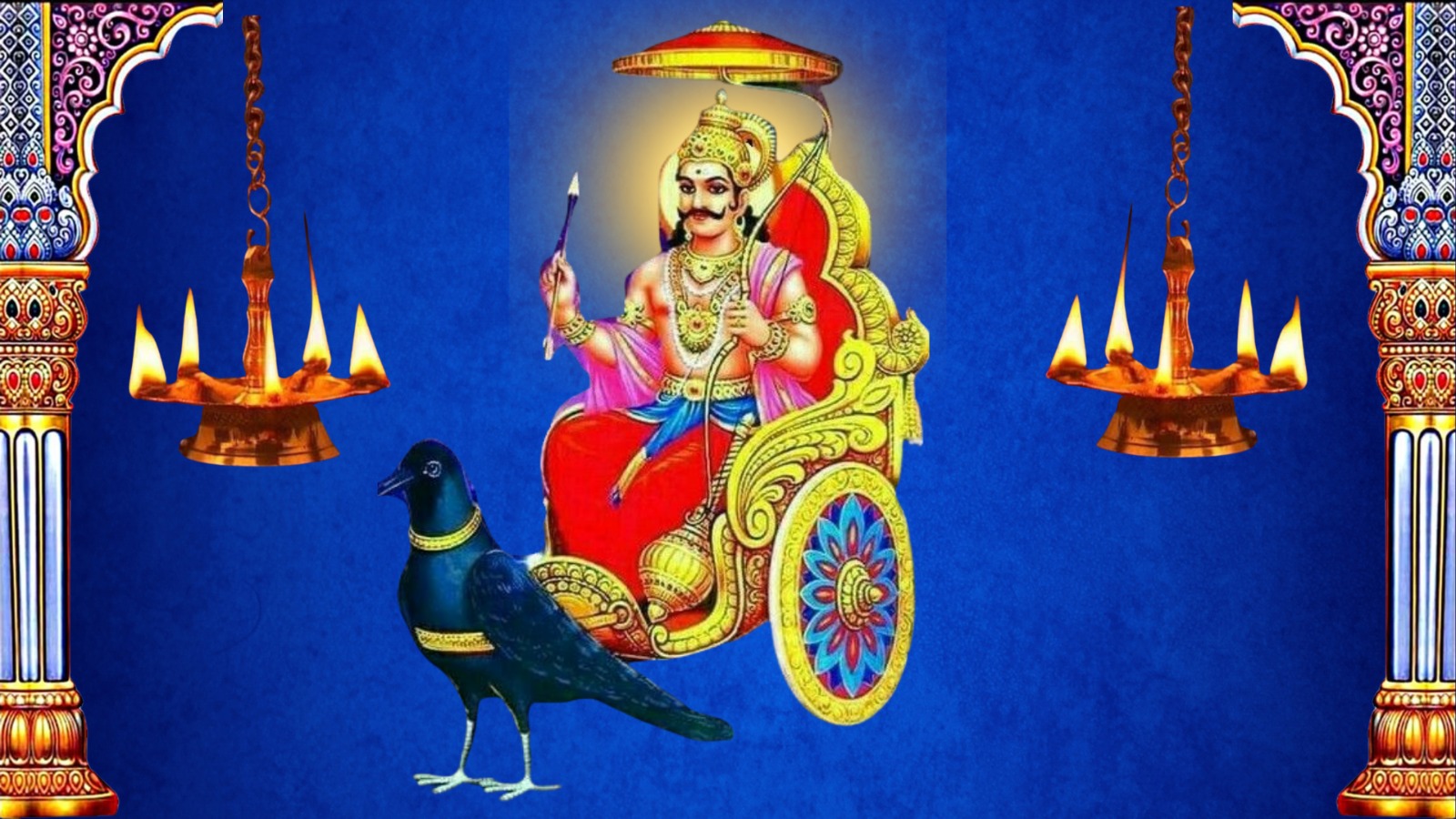
Shani Shanti Homa - Benefits, Procedure, Mantras, and How to Book Online
By: Pratima Argade
14 May 2026 at 3:38 AM
If there is one remedy that Vedic astrology recommends above all others for pacifying Saturn's difficult influence, it is the Shani Shanti Homa. More than a puja, more than mantra chanting alone, and more than simple daan, the Homa is a full Vedic fire ritual. It invokes the energy of Agni (the sacred fire) as the divine messenger between the devotee and Bhagwan Shani Dev. When performed correctly, with the right samidhas, the right mantras, and a properly registered sankalpa, it is considered the most direct and effective method of addressing Saturn-related karmic imbalances.
If you are currently in Sade Sati, Shani Mahadasha, Shani Antardasha, or Dhaiya or if you have been experiencing sustained delays, financial blockages, career stagnation, health struggles, or legal issues that simply will not resolve then this article is for you.
What Is Shani Shanti Homa?
The Shani Shanti Homa is a Vedic yajna, a sacred fire ritual, performed specifically to pacify Bhagwan Shani Dev (Saturn) and reduce the intensity of his malefic influence in a person's horoscope and life. The word Shanti means peace or pacification. The Homa works on the principle that specific combinations of sacred materials, mantras, and fire together create a powerful energetic offering that reaches the planetary consciousness of Saturn and invokes his compassionate, just nature.
Unlike simple archana or daan, a Homa involves a sustained ritual process — the establishment of the sacred fire, the chanting of Vedic mantras in specific counts, the offering of ahutis (oblations) at precise intervals, and the concluding prayers. Each element serves a distinct purpose in the karmic purification process. The Shani Shanti Homa is part of the broader tradition of Navagraha Shanti Homas — fire rituals dedicated to the nine planetary deities in Vedic astrology. Among the nine, the Shani Homa is considered the most important for the largest number of people, because Saturn's influence spans long periods (Sade Sati alone lasts 7. 5 years) and affects multiple areas of life simultaneously.
Why Is Fire Used in the Shani Homa?
Agni that is sacred fire has been the central medium of Vedic ritual since the earliest hymns of the Rigveda. Fire is described as the divine messenger (Agni Devaduta) who carries the devotee's offerings and prayers directly to the higher planes. In the context of the Shani Shanti Homa, fire serves several specific functions:
- Transformation of offerings: Physical substances like sesame seeds, ghee, sacred wood are transformed by fire into pure energy. This transformation mirrors the karmic process itself: dense, accumulated karma being refined through discipline and sincere effort.
- Amplification of mantra: When Vedic mantras are chanted in the presence of a consecrated fire, the sound vibrations interact with the fire's electromagnetic field, amplifying the mantra's effect considerably beyond silent chanting.
- Purification of space: The smoke from specific samidhas (sacred wood used in Shani Homa) purifies the energetic environment, clearing negative accumulations in the devotee's karmic field.
- Direct planetary connection: Vedic tradition holds that Agni creates a direct energetic bridge to the planetary deity being invoked. The fire becomes a portal through which the devotee's sankalpa, intention, and offerings reach Bhagwan Shani Dev.
What Happens During Shani Shanti Homa?
The Complete Procedure The Shani Shanti Homa follows a precise sequence rooted in Vedic tradition. Here is what happens from start to finish:
1. Sankalpa (Sacred Intention Setting) The ritual begins with the Sankalpa that is a sacred declaration in which the yajamana (the devotee on whose behalf the Homa is performed) is identified by name, gotra (lineage), nakshatra, and the specific intention of the puja. The Sankalpa formally registers the devotee's prayer with the divine and establishes the energetic connection for the entire ritual. In the context of an online Homa, the pandit performs the Sankalpa with your details provided at the time of booking. This is what connects the ritual directly to you, regardless of your physical location.
2. Ganapati Puja Before any major Vedic ritual begins, Bhagwan Ganesha is invoked and propitiated to remove obstacles and ensure the smooth completion of the Homa. This is a non-negotiable preliminary that all authentic Vedic rituals include.
3. Kalashah Sthapana (Sacred Pot Installation) A sacred pot filled with water, mango leaves, and a coconut is established at the ritual space. This Kalashah represents the presence of all divine energies and serves as the anchor for the ritual's sacred geography.
4. Agni Pratishtha (Consecration of Sacred Fire) The fire is lit in the havan kund (sacred fire pit) through a specific procedure involving kindling, ghee, and the chanting of Agni mantras. The fire is not merely lit but it is consecrated, meaning it is invoked as a living divine presence rather than a simple flame.
5. Shani Avahana (Invocation of Shani Dev) Bhagwan Shani Dev is formally invited into the sacred space through specific Sanskrit shlokas and mantras. The Avahana makes the ritual a genuine conversation between the devotee and the deity, rather than a mechanical repetition of verses.
6. Ahuti (Oblation Offerings) with Shani Mantras This is the central and most sustained part of the Homa. The pandit offers specific materials into the fire at regular intervals, chanting Shani mantras with each offering. The primary oblation materials in Shani Shanti Homa include:
- Black sesame seeds (til): The most important offering to Shani Dev. Sesame seeds represent karmic absorption and they are said to take on the devotee's karmic burden as they are consumed by fire.
- Sesame oil (til tel): Offered in a steady stream into the fire, symbolising the soothing of Shani Dev's intensity and the smoothing of the devotee's karmic path.
- Shami wood (Prosopis cineraria): The primary samidha for Shani Homa. Shami is sacred to Saturn and is used in the famous tradition of Vijayadashami celebrations. Its smoke is said to carry Shani's blessings.
- Urad dal (black lentils): Another material specifically associated with Shani Dev. Offering urad to fire is a traditional Shani remedy dating back centuries.
- Ghee (clarified butter): Present in all Vedic Homas as the primary carrier of offerings. Ghee purifies the fire and amplifies all other offerings.
- Blue flowers (Aparajita/Neel Pushp): Offered as archana, resonating with Shani Dev's colour of deep blue-black.
The count of mantras and ahutis varies based on the specific Homa type. A standard Shani Shanti Homa involves a minimum of 1, 008 ahutis, with each accompanied by the Shani Beej Mantra or Shani Mool Mantra.
7. Poornahuti (Final Complete Offering) The Poornahuti is the culminating offering of the Homa that is a large bundle containing all the primary materials offered together as a complete, unified gift to Bhagwan Shani. The Poornahuti signals the completion of the ritual and the formal release of the devotee's prayers into the divine domain.
8. Shanti Patha and Aarti After the fire ritual, peace prayers (Shanti Patha) are chanted for the devotee's welfare. The Aarti of Bhagwan Shani concludes the Homa and closes the ritual space with devotion and gratitude.
9. Prasad Preparation The blessed materials from the Homa like sacred ash (vibhuti), flowers, and food offerings are prepared as prasad for temple devotees.
Mantras Used in Shani Shanti Homa
The following mantras form the core of the Shani Shanti Homa. While the pandits chant these in full during the ritual, devotees are encouraged to familiarise themselves with the primary mantras and chant them at home on the day of the Homa.
- Shani Beej MantraOm Pram Prim Prom Sah Shanaye Namah The Beej Mantra is the seed sound of Shani Dev. It is the most concentrated form of Saturn's energy in mantra form and is the primary mantra chanted with each ahuti during the Homa. Chanting this 108 times on the day of the puja deepens your connection to the ritual being performed on your behalf.
- Shani Mool MantraOm Sham Shanaishcharaya Namah The Mool Mantra is a complete invocation of Shani Dev's name and presence. It is chanted for general Shani worship, daily practice, and as part of the ritual sequence. Particularly effective when chanted on Saturdays.
- Shani Gayatri MantraOm Sanaischaraya Vidmahe Sooryaputraya Dheemahi Tanno Manda Prachodayata. The Gayatri form of the Shani mantra invokes his identity as the son of Surya Dev and his role as the slow-moving (Manda) planet of justice. It is used during the Avahana (invocation) section of the Homa.
- Shani Dashakam and Shani Stotra Extended devotional texts that describe Shani Dev's qualities, his role in the cosmos, and his blessings for sincere devotees. These are recited during the ceremonial sections of the Homa between the main ahuti sequences.
Key Benefits of Shani Shanti Homa The benefits of performing Shani Shanti Homa are both karmic (operating at the level of cause and consequence) and practical (manifesting as tangible improvements in life circumstances). Vedic tradition recognises the following outcomes for sincere devotees:
Karmic and Spiritual Benefits
Reduction in the intensity of Sade Sati, Dhaiya, and Shani Mahadasha effects. The Homa does not eliminate karma but it accelerates its rightful resolution, which means difficult periods may become more manageable and shorter in their most intense phases. Karma shuddhi is a purification of accumulated karmic burden which is one of the most important outcomes. When sesame seeds and specific samidhas are offered into fire with proper mantras, they are said to carry away layers of unresolved karma that have been weighing on the devotee's life. Pitru Shanti that is ancestral peace is also a significant benefit, especially when the Homa is performed on or near Amavasya. Ancestors whose karmic journey has been affected by the devotee's actions can receive grace through the Homa's power.
Material and Life Benefits
- Career stabilisation - those facing unexplained stagnation in career growth or professional recognition often notice gradual improvement after a Shani Shanti Homa, as Saturn's blockages on professional dharma begin to lift. Resolution of legal and property disputes that have dragged on without resolution. Saturn governs land, property, and legal systems in Vedic astrology. Pacifying him through the Homa has traditionally been recommended before court hearings and property negotiations.
- Relief from chronic health issues - particularly those involving bones, joints, teeth, nerves, and skin, all of which fall under Saturn's domain in medical astrology.
- Financial stabilisation - reduction in unexpected losses, recovery of delayed payments, and gradual restoration of financial predictability.
- Removal of long-standing obstacles - those persistent blocks that appear whenever you seem close to a breakthrough, which can often be traced to Saturn's karmic pressure on specific houses in the horoscope. Peace of mind and emotional grounding is perhaps the most immediately felt benefit. Devotees who have performed Shani Shanti Homa frequently report a sense of calm acceptance, reduced anxiety, and a clearer sense of direction in life following the ritual.
When Should You Perform Shani Shanti Homa?
The Shani Shanti Homa is most effective when performed on:
- Shani Jayanti that is Bhagwan Shani's birth anniversary. This is the single most powerful day in the year for Shani remedies. In 2026, this falls on Saturday 16 May which is a rare Badami Amavasya that amplifies the Homa's effectiveness many times over.
- Shanivar (Saturdays): Each Saturday is auspicious for Shani worship, and performing the Homa on a Saturday connects directly with the planetary energy of the day.
- Amavasya (New Moon days): Particularly potent for karmic cleansing and pitru shanti, making any Homa performed on Amavasya more effective for deep ancestral and karmic work.
- During active Sade Sati or Mahadasha periods: At any point during these challenging Saturn periods, performing the Homa provides meaningful relief and course-correction. The convergence of all these factors on
- 16 May 2026 - Shani Jayanti, Shanivar, and Amavasya - makes this the ideal moment to perform the Shani Shanti Homa if you have been considering it.
Who Should Prioritise Shani Shanti Homa?
The Shani Shanti Homa is specifically recommended for those who are:
- Currently in Sade Sati: Check if Saturn is transiting through the sign before, of, or after your Moon sign. If yes, you are in Sade Sati and the Homa is strongly recommended, especially on Shani Jayanti.
- In Shani Mahadasha or Antardasha: If your Vimshottari Dasha currently shows Shani as the ruling or sub-ruling period, the Homa is among the most effective remedies available to you.
- Facing career stagnation despite consistent effort: When growth that should be natural is blocked, Saturn's influence on the 10th house or career-related houses is often a factor.
- Dealing with ongoing legal or property disputes: Saturn governs these domains and the Homa is specifically recommended in Vedic tradition for clearing such disputes.
- Experiencing repeated financial setbacks: When money comes but does not stay, or when financial recovery keeps getting delayed, Shani's karmic influence is often involved.
- Suffering from chronic bone, joint, nerve, or skin conditions: Medical astrology associates these specifically with Saturn. The Homa does not replace medical treatment but is performed alongside it as a spiritual support.
- Those with Pitru Dosha: Ancestral karmic burden that manifests as repeated family difficulties, unexplained health issues across generations, or persistent obstacles in prosperity. Even for those not facing specific challenges, performing the Shani Shanti Homa on Shani Jayanti is considered highly auspicious - inviting Saturn's blessings of discipline, patience, and long-term stability into life proactively.
How to Book Shani Shanti Homa Online with Jyotirgamaya Jyotirgamaya performs the Shani Shanti Homa at Shri Sankatahara Vinayaka Temple, Bangalore, by experienced Vedic pandits who are trained in the complete Shani Homa procedure as per traditional Vedic texts.
The online booking process is simple:
- Choose your seva Visit the Shani Jayanti puja page and select Shani Shanti Homa as your primary seva. You may add additional sevas such as Thailabhisheka, Samarpan Seva, or Til Offerings according to your devotion and capacity.
- Complete your booking Enter your name, gotra (if known), and contact details. These are used to register your Sankalpa during the ritual. If you do not know your gotra, you may use Kashyapa gotra as a default this is standard practice.
- Receive your puja details After booking, you will receive a live stream link to watch the Homa as it is performed. A recorded video is also provided in case you miss the live stream. Blessed prasad will be delivered to your home address across India.
Booking link 👉 Book Shani Shanti Homa
Frequently Asked QuestionsWhat is Shani Shanti Homa?
Shani Shanti Homa is a Vedic fire ritual performed to pacify Saturn (Shani Dev) and reduce the malefic effects of his influence in a person's horoscope. It involves specific mantras, sacred offerings of sesame seeds and sesame oil, and a consecrated fire ritual performed by qualified Vedic pandits.
How long does the Shani Shanti Homa take?
A standard Shani Shanti Homa with the full sequence of Sankalpa, Ganapati Puja, Agni Pratishtha, ahuti sequences, and Poornahuti typically takes between 2 and 3 hours to complete when performed with proper procedure.
Is Shani Shanti Homa the same as Shani Puja?
No. Shani Puja typically refers to archana, abhisheka, and simple offerings made to the Shani idol. Shani Shanti Homa is a more intensive Vedic yajna involving a consecrated fire and a complete ritual sequence with specific oblations and mantra counts. The Homa is considered the more powerful remedy for serious karmic imbalances.
How often should Shani Shanti Homa be performed?
For those in Sade Sati or Shani Mahadasha, performing the Homa once a year on Shani Jayanti is the most common and recommended approach. For very severe Saturn-related challenges, some astrologers recommend performing it on consecutive Shani Jayantis or additionally on significant Saturdays.
Can the Shani Shanti Homa be performed online?
Yes. The effectiveness of a Homa lies in the correct performance of the ritual - the right mantras, the right materials, the right sankalpa, and the qualification of the pandits. When these are all properly maintained, physical distance does not reduce the ritual's spiritual efficacy. Vedic texts on paroksha karma (indirect ritual participation) confirm the validity of performing rituals on behalf of absent devotees.
What should I do at home during the Shani Shanti Homa?
On the day of the Homa, you are encouraged to: take an early bath, wear blue or black clothes, light a sesame oil diya facing west, chant Om Sham Shanaishcharaya Namah 108 times, and watch the live stream. Your sincere participation at home deepens the connection to the ritual being performed on your behalf.
What is the significance of sesame seeds (til) in Shani Homa?
Black sesame seeds are Shani Dev's most beloved offering. They have been used in Saturn remedies since Vedic times and are considered the most effective karmic absorber in the materia of sacred ritual. When offered into fire with Shani mantras, they are said to absorb and transmute the devotee's accumulated karmic burden.
When does Shani Jayanti 2026 fall?
Shani Jayanti 2026 falls on Saturday, 16 May 2026, on the Vaishaka Amavasya tithi with Bharani Nakshatra - forming a rare Badami Amavasya that makes this an exceptionally powerful day for the Shani Shanti Homa.