







Shani Pradosh Vrat and Its Importance During Sade Sati
By: Pratima Argade
26 August 2026 at 10:39 AM
Shani Pradosh Vrat and Its Importance During Sade Sati
A Fast That Brings Two Blessings Together
Among the many remedies discussed throughout this series, Shani Pradosh Vrat holds a particularly special place, since it is one of the few practices believed to invoke the combined blessings of two significant figures at once, Bhagwan Shiva and Bhagwan Shani. This dual significance is part of why so many astrologers specifically recommend this vrat as a central remedial practice for anyone navigating Shani Sade Sati.
This post looks in detail at what Shani Pradosh Vrat actually involves, why it holds such particular importance during this seven and a half year period, and how it can be observed correctly for genuine spiritual benefit.
Understanding Pradosh Vrat in General
Pradosh Vrat is a fasting observance that occurs twice each lunar month, falling on the thirteenth day, known as Trayodashi, of both the waxing and waning lunar fortnights. This particular time of day, referred to as Pradosh Kaal, occurs during the twilight hours just before and after sunset, a period traditionally considered especially auspicious for worship of Bhagwan Shiva.
While Pradosh Vrat is observed by many devotees throughout the year regardless of any specific astrological concern, its significance becomes particularly pronounced when it falls on a Saturday, the day most closely associated with Bhagwan Shani.
Why Saturday Pradosh Holds Special Significance
When Trayodashi falls specifically on a Saturday, this particular Pradosh is known as Shani Pradosh, and it is considered especially powerful within Vedic tradition. This is because Saturday worship is already closely associated with Bhagwan Shani, and the added significance of Pradosh Kaal, a time specifically sacred to Bhagwan Shiva, creates what many astrologers describe as a uniquely potent combination for devotees seeking relief from Shani related difficulties, including Sade Sati.
The classical understanding here draws on the relationship between these two figures within broader Hindu cosmology, where Bhagwan Shiva is often understood as a figure capable of pacifying even the most challenging planetary influences, including that of Shani himself. Observing this fast is therefore believed to invoke Bhagwan Shiva's grace specifically in a way that helps ease Shani's more testing effects.
Why This Vrat Matters So Much During Sade Sati
Given everything discussed throughout this series about Sade Sati's testing nature, its effects on emotional peace, career, relationships and health, Shani Pradosh Vrat is considered particularly relevant during this period for several specific reasons.
- It Directly Addresses Shani's Influence: Since this vrat specifically incorporates devotion to Shani through its Saturday timing, it offers a direct, focused remedy for the specific planetary influence at the center of Sade Sati, rather than a more general spiritual practice.
- It Combines Discipline With Devotion: The act of fasting itself requires genuine discipline, a quality Shani is specifically believed to value and reward. Observing this vrat consistently throughout the Sade Sati period therefore serves a dual purpose, offering devotional worship while simultaneously cultivating exactly the kind of disciplined conduct this period tends to call for.
- It Provides Regular, Structured Spiritual Practice: Since Pradosh occurs roughly twice a month, and Shani Pradosh specifically whenever this falls on a Saturday, this vrat offers a naturally recurring structure for consistent devotional practice throughout the full seven and a half years of Sade Sati, supporting the sustained, ongoing effort that classical texts consistently emphasize as more valuable than sporadic, one time rituals.
How Shani Pradosh Vrat Is Traditionally Observed
- Preparation Before the Fast: Devotees typically begin preparing for this vrat the day before, often avoiding certain foods and maintaining a calm, focused mindset in anticipation of the fasting day itself.
- The Fasting Period: On the day of Shani Pradosh, devotees typically observe a fast from sunrise until the Pradosh Kaal period in the evening, with many choosing to eat only a single simple, sattvic meal, while others observe a complete fast, taking only water throughout the day, depending on their personal capacity and health considerations.
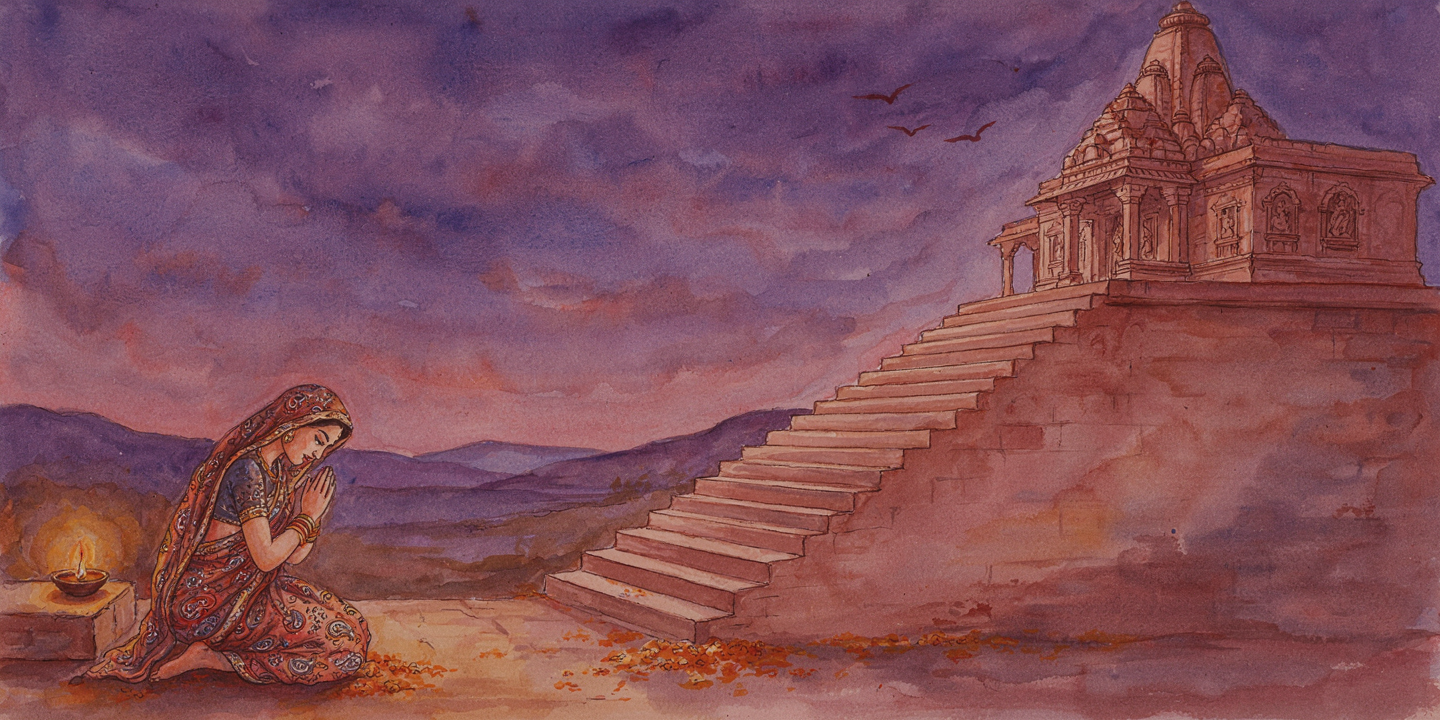
- Worship During Pradosh Kaal: As evening approaches and Pradosh Kaal begins, devotees typically perform worship of Bhagwan Shiva, often at a temple, though home based worship is equally valid. This worship generally includes offerings, prayers and the lighting of a diya, timed specifically to align with this particular twilight period considered so auspicious.
- Breaking the Fast: Following the evening worship, devotees typically break their fast with a simple meal, often avoiding grains or heavier foods, maintaining the overall spirit of restraint and discipline associated with this observance even as the fast concludes.
Who Should Observe This Vrat
While Shani Pradosh Vrat can be observed by any sincere devotee, it holds particular relevance for those currently experiencing Shani Sade Sati, Shani Dhaiya, or Shani Mahadasha, given its specific connection to easing this graha's challenging effects. Many astrologers also recommend this vrat for individuals whose birth chart shows Shani in a weakened or afflicted position, even outside a specific Sade Sati period, as a way of strengthening their overall relationship with this significant graha.
Health Considerations Before Fasting
It is worth noting clearly that fasting practices should always be approached with attention to individual health circumstances. Pregnant women, individuals managing certain health conditions, and anyone for whom extended fasting could pose a genuine health risk should consult both a trusted doctor and a knowledgeable astrologer before committing to a strict fasting practice, since modified approaches, such as eating a single light meal rather than fasting completely, are generally considered acceptable alternatives that still honor the spirit of the observance.
Common Questions About Shani Pradosh Vrat
How Often Does Shani Pradosh Actually Occur?
Since Pradosh occurs roughly twice each lunar month, and Saturday alignment depends on the specific lunar calendar for any given year, Shani Pradosh does not occur on a perfectly fixed schedule. Consulting a Panchang calendar or an astrologer helps identify exactly when the next Shani Pradosh will fall.
Can This Vrat Be Observed Even Outside Sade Sati?
Yes, many devotees observe Shani Pradosh Vrat as a regular practice throughout their lives, independent of any specific Sade Sati period, given its broader significance in honoring both Bhagwan Shiva and Bhagwan Shani together.
Is It Necessary to Visit a Temple for This Vrat?
While temple worship is considered particularly meaningful, especially given the significance of Pradosh Kaal timing, sincere home based worship is equally valid for devotees unable to visit a temple regularly, particularly for NRI devotees or those with limited access to a nearby Shiva or Shani temple.
What if a Devotee Cannot Fast Completely?
As mentioned above, modified fasting, such as consuming a single light meal rather than a complete fast, is generally considered acceptable, particularly for those with health considerations that make strict fasting inadvisable. The sincerity and devotional intention behind the practice matter more than achieving a perfectly strict fast.
Combining This Vrat With Other Remedies
Shani Pradosh Vrat works particularly well as part of a broader remedial routine during Sade Sati, complementing practices such as regular Shani puja, mantra chanting and daan, as discussed in the complete remedies post earlier in this series. Many devotees specifically anchor their overall remedial routine around the recurring rhythm of Shani Pradosh, using each occurrence as a renewed opportunity for focused devotion and reflection throughout their Sade Sati years.
A Practice That Combines Devotion and Discipline
Shani Pradosh Vrat offers devotees a uniquely meaningful way to seek relief during Shani Sade Sati, combining the grace of Bhagwan Shiva with focused devotion to Bhagwan Shani, all while cultivating the disciplined conduct this period so consistently calls for. Its naturally recurring rhythm throughout the lunar calendar makes it particularly well suited to the kind of sustained, consistent practice that classical tradition considers most beneficial throughout the full seven and a half years of this transit.
If you would like guidance on when the next Shani Pradosh falls, or wish to understand how this vrat fits into a broader remedial plan suited to your specific birth chart, our astrologers can provide personalized guidance along with the puja and remedies best suited to your situation.