Sade Sati and Its Connection to Pitra Dosha Explained
By: Pratima Argade
9 September 2026 at 11:41 AM
Sade Sati and Its Connection to Pitra Dosha
When Karma Reaches Back Further Than One Lifetime
Throughout this series, Shani Sade Sati has been discussed primarily in terms of an individual's own karma, conduct and personal growth. But Vedic astrology also recognizes that karma is not always confined to a single lifetime or a single person's own actions. Pitra Dosha, a condition connected to unresolved ancestral karma, represents one of the more significant chart factors that can interact meaningfully with Sade Sati when both are present, adding a dimension of family and lineage to what might otherwise be understood purely as personal testing.
This post looks closely at what Pitra Dosha involves, how it connects with and can intensify Shani Sade Sati, and what remedial approaches classical tradition recommends for addressing both influences together.
Understanding Pitra Dosha
Pitra Dosha refers to a specific condition in a birth chart believed to reflect unresolved obligations, unfulfilled rites, or lingering dissatisfaction connected to one's ancestors or forefathers, referred to as Pitru in Sanskrit. This dosha is generally associated with specific planetary combinations in a chart, often involving Surya, Rahu or Shani in particular houses or afflicted positions, believed to indicate that ancestral spirits have not received proper rites, respect or closure.
Classical tradition holds that when ancestors' rites or memory have been neglected, whether through incomplete death rituals, family estrangement, or simply the passage of generations without proper acknowledgment, this can create a kind of unresolved karmic residue that continues to affect descendants until appropriately addressed.
Why Shani Is Connected to This Dosha
Since Shani himself governs karma, structure and the passage of time across generations, his placement in a birth chart is often directly examined when assessing Pitra Dosha specifically. A poorly placed or afflicted Shani, particularly in houses connected to ancestry and lineage, is one of the more commonly cited indicators of this dosha within classical astrological analysis.
This existing connection between Shani and ancestral karma is part of why Sade Sati, a period defined entirely by Shani's transit, tends to interact so meaningfully with Pitra Dosha when both are present in an individual's chart.
How This Combination Tends to Manifest
- Intensified Sense of Repeating Patterns: Individuals with both Sade Sati and Pitra Dosha present often describe a pronounced sense of repeating family patterns surfacing during this period, whether financial struggles that seem to echo across generations, health conditions with a notable family history, or relationship dynamics that closely mirror patterns seen in parents or grandparents.
- Family Related Difficulties Becoming More Prominent: As discussed in an earlier post covering family relationship effects during Sade Sati, this transit already tends to bring family tensions and long standing issues to the surface. When Pitra Dosha is also present, these family related difficulties often carry a distinctly generational quality, sometimes involving specific ancestral property, family reputation, or long unresolved disputes connected to previous generations.
- Obstacles That Feel Disproportionate to Present Actions: A commonly reported pattern among those with this combination is a sense that current obstacles feel disproportionate to their own recent choices or efforts, as though something beyond their immediate control is influencing outcomes. This is often precisely the pattern classical astrology attributes to unresolved ancestral karma intersecting with Shani's testing influence during Sade Sati.
- Health Concerns With Family History: Since Pitra Dosha is sometimes associated with recurring family health patterns, individuals with this combination may notice health concerns during their Sade Sati years that carry a notable hereditary or family history component, adding another layer to the health effects discussed in the earlier dedicated post on this topic.
Why This Combination Calls for a Different Kind of Remedy
Unlike remedies aimed purely at easing an individual's personal Sade Sati experience, addressing Pitra Dosha specifically calls for practices oriented toward honoring and resolving matters connected to one's ancestors, reflecting the distinctly generational nature of this particular karmic pattern.
Traditional Remedies for Pitra Dosha
- Shraddha Rituals: Shraddha, a traditional ritual performed to honor deceased ancestors, is one of the most significant remedies associated with Pitra Dosha. This ritual, typically performed on specific dates connected to a family member's passing or during Pitru Paksha, a period specifically dedicated to ancestral remembrance, is believed to help resolve unfulfilled obligations toward departed family members.
- Pitru Paksha Observance: Pitru Paksha, a period generally falling in the lunar month of Bhadrapada, is considered particularly significant for those with Pitra Dosha, offering a dedicated window each year for performing rituals, offerings and remembrance specifically oriented toward ancestral resolution.
- Tarpan: Tarpan involves offering water, sesame seeds and other specific items to one's ancestors, typically performed by a family member with the guidance of a purohit, as a way of formally honoring and providing for departed relatives within this ritual framework.
- Feeding Crows and Brahmins: Since crows are traditionally believed to represent ancestral spirits in certain contexts, offering food to crows, along with feeding Brahmins or those in genuine need, is a commonly practiced remedy specifically associated with easing Pitra Dosha.
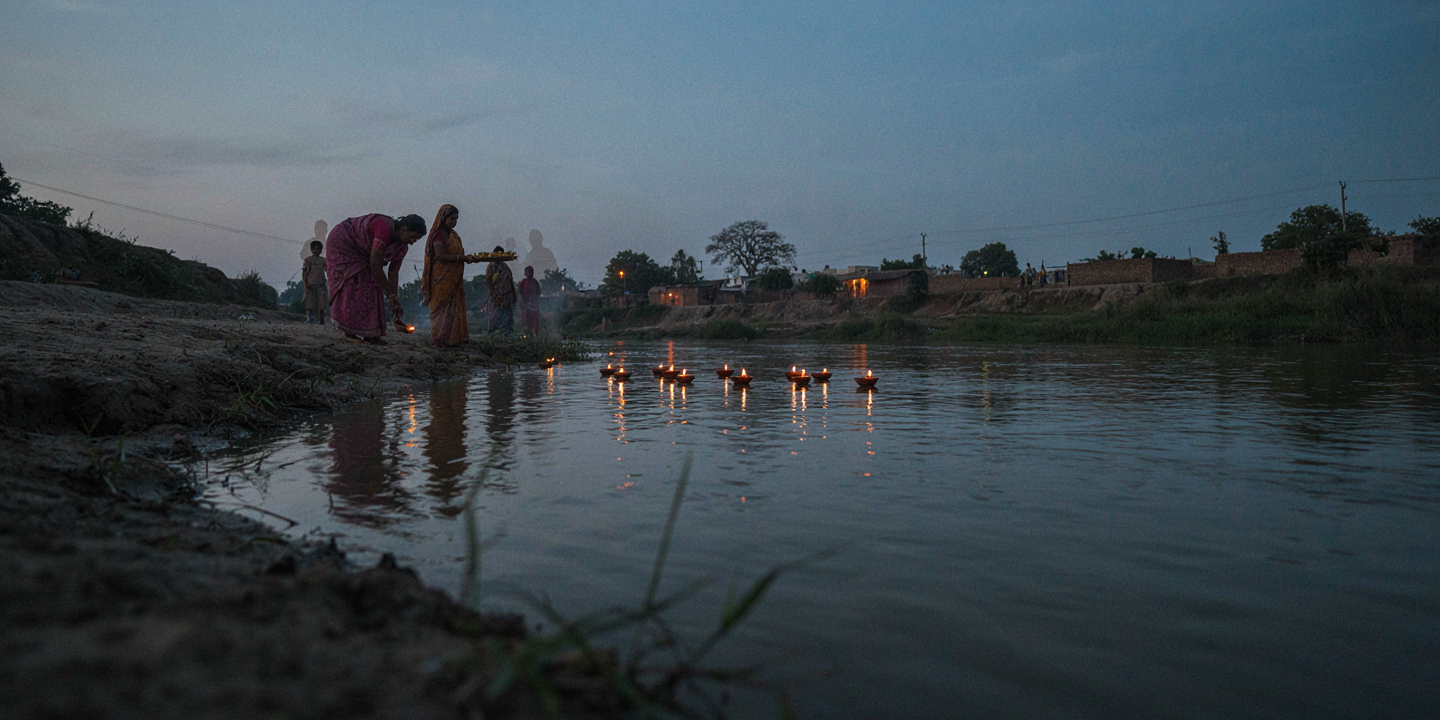
- Visiting Significant Pilgrimage Sites: Some families choose to visit specific pilgrimage sites traditionally associated with ancestral rites, such as those along the Ganga or other significant rivers, to perform more elaborate rituals aimed at resolving Pitra Dosha, particularly when the dosha is considered especially significant within a family's chart history.
Combining Pitra Dosha Remedies With Sade Sati Remedies
Given that this combination involves both a temporary transit and a permanent chart condition connected to ancestral karma, addressing both aspects together tends to offer the most complete approach. This typically means continuing the standard Sade Sati remedies discussed throughout this series, Shani puja, Pradosh Vrat, daan and mantra chanting, while also incorporating the specific ancestral remedies discussed above, particularly during Pitru Paksha or other significant dates connected to family remembrance.
Why Family Involvement Often Matters More Here
Unlike many of the individual focused remedies discussed elsewhere in this series, Pitra Dosha remedies often carry more meaning and effectiveness when performed with genuine family involvement and awareness, since the underlying karmic pattern is understood to be connected to the broader family lineage rather than a single individual alone. Some families choose to perform these remedies collectively, particularly during Pitru Paksha, as a shared act of respect and resolution honoring their shared ancestry.
Why Professional Guidance Matters Particularly Here
Given the specific ritual knowledge required for practices such as Shraddha and Tarpan, and given the importance of correctly identifying whether Pitra Dosha is genuinely present in a specific chart, this is an area where working with an experienced purohit or astrologer holds particular value, ensuring these more specialized rituals are performed correctly and with genuine understanding of their traditional purpose.
Approaching This Combination With Respect Rather Than Fear
It is worth emphasizing that Pitra Dosha, much like Sade Sati itself, should not be approached with excessive fear or as an inescapable curse. Rather, classical tradition frames this combination as an invitation toward genuine reflection on family history, respect for one's lineage, and sincere effort toward resolving whatever unfinished matters may be contributing to this particular karmic pattern. Approached with genuine reverence rather than anxious obligation, these remedies often carry deep personal and spiritual meaning beyond their purely remedial function.
A Combination That Connects Personal and Ancestral Healing
The connection between Shani Sade Sati and Pitra Dosha reflects a broader theme found throughout Vedic philosophy, that personal growth and karmic resolution are often deeply connected to family and lineage, extending beyond a single individual's own choices and actions. Understanding this connection allows individuals experiencing both factors together to approach their Sade Sati period with a fuller, more complete understanding of what this testing time may genuinely be asking of them.
If you suspect you may have Pitra Dosha in your birth chart alongside your current Sade Sati period, our astrologers can conduct a detailed analysis and recommend the puja, Shraddha rituals and remedies best suited to help you address both influences with sincerity and respect.