Prayers and Vedic Practices for Women’s Wellbeing at Every Stage of Life
By: Pratima Argade
26 October 2026 at 10:31 AM
For women’s wellbeing, Vedic tradition offers prayers to Devi as Shakti, the Dhanvantari mantra for health, gentle breathing, mantra chanting and the strength of community. The right practice changes with each stage of life, from girlhood and young adulthood to motherhood, midlife and the later years. These practices support the heart and mind, and they work alongside regular medical care.
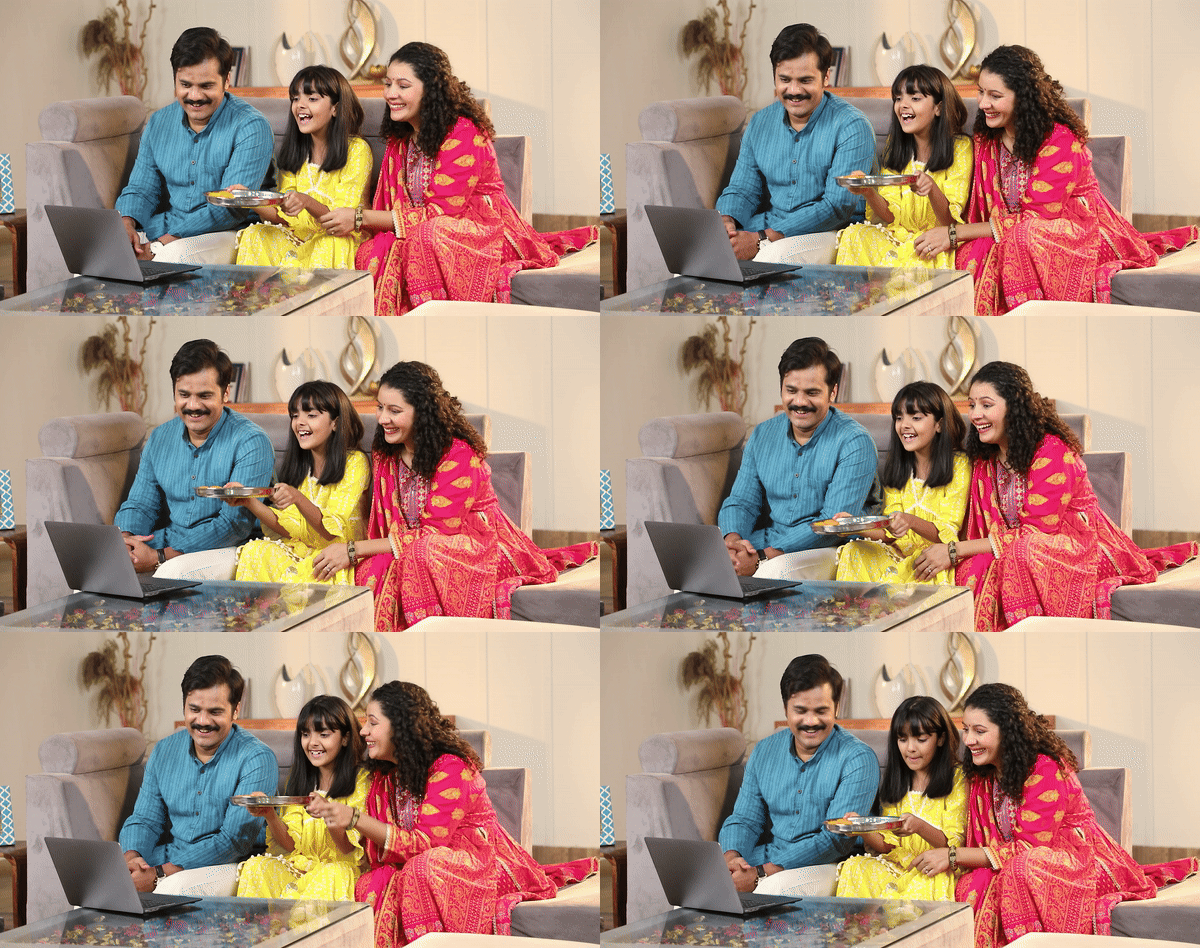
Women in Indian families carry many roles at once. A woman may be a daughter, a student, a professional, a wife, a mother, a daughter in law and a caregiver, sometimes all in the same week. Through all of it, she often puts her own wellbeing last. This post is a gentle reminder that her health, peace and joy matter just as much as everyone else’s.
In this post, we will look at what Vedic tradition says about women and Shakti, and share prayers and practices for each stage of life. We will also speak about pregnancy, fasting with care, and traditions around periods, in a respectful and balanced way. If you wish to know more about Bhagwan Dhanvantari, you can read our post on who Bhagwan Dhanvantari is.
Why Think of Women’s Wellbeing in Stages?
A woman’s body, mind and responsibilities change a great deal across her life. The needs of a teenage girl are not the same as those of a new mother, and the needs of a mother are not the same as those of a woman in midlife or in her later years. When we look at wellbeing in stages, we can offer care and prayer that fits each moment.
This also helps us avoid one common mistake, which is to see women only through the needs of the family. A woman is a whole person, with her own health, dreams and spiritual life. Good care and good prayer start with this respect.
What Does Vedic Tradition Say About Women and Shakti?
In the Vedic tradition, the divine is worshipped as Shakti, the feminine power that sustains the universe. Devi appears as Durga, who gives courage, as Lakshmi, who gives prosperity, and as Saraswati, who gives knowledge. The Devi Mahatmya, also called the Durga Saptashati, praises Devi as the power that lives in all beings. One of its best known verses says “Ya Devi Sarvabhuteshu Shakti Rupena Samsthita, Namastasyai Namastasyai Namastasyai Namo Namah”. It means, “To the Devi who lives in all beings in the form of Shakti, I bow again and again.”
The Vedic tradition also honours women as seers and teachers. The Rigveda has hymns attributed to women rishikas, such as Lopamudra, Ghosha and Apala. The Upanishads remember Gargi, who held her own in a great debate of sages, and Maitreyi, who sought the knowledge of the Self. These names remind us that women have always been a part of India’s spiritual and intellectual life.
Ayurveda also gives special attention to women. The classical texts describe the care of women through the stages of life, and give a month by month guide for the care of a pregnant woman. Modern care is guided by doctors and obstetricians, but the old texts show that the tradition took women’s health seriously.
What Helps in Girlhood and the Teen Years?
The teen years bring many changes in the body and the mind. A young girl may feel excited, shy, worried or confused, sometimes all at once. Prayer in this stage can be a source of confidence and calm, as long as it is gentle and joyful, and never a burden or a source of shame.
A girl can begin her day with a simple prayer to Devi Saraswati for a clear mind, and to Devi Durga for courage. Chanting the Gayatri mantra or “Om Aim Saraswatyai Namah” before study can be a lovely habit. A mother, grandmother or aunt who explains the changes of growing up in a loving and open way gives her one of the best gifts of all, which is trust.
Parents can also help by making sure that a girl gets good food, rest, movement and regular health care, and by speaking openly about her feelings. If she feels very low, anxious or unwell, please talk to a doctor. Faith and care go together.
What Helps in Young Adulthood?
This is often a stage of study, career, marriage decisions and heavy pressure. Many young women feel that they must prove themselves in every area. Stress, long hours and the expectations of family and society can leave little time for rest.
A short daily practice can be a source of balance. A few minutes of lamp lighting, a mantra, slow breathing and gratitude each morning can set a calm tone. Some women find strength in praying to Devi Durga before an interview, an exam or a hard conversation. Others like to join a bhajan or satsang group for a sense of community.
It is also important to look after the body, by eating regularly, sleeping enough and going for health check ups as advised by a doctor. Marriage and family choices are deeply personal. A good prayer for this stage is not a prayer for a particular outcome, but for clarity, courage and peace to make the right choice.
What About Pregnancy and Motherhood?
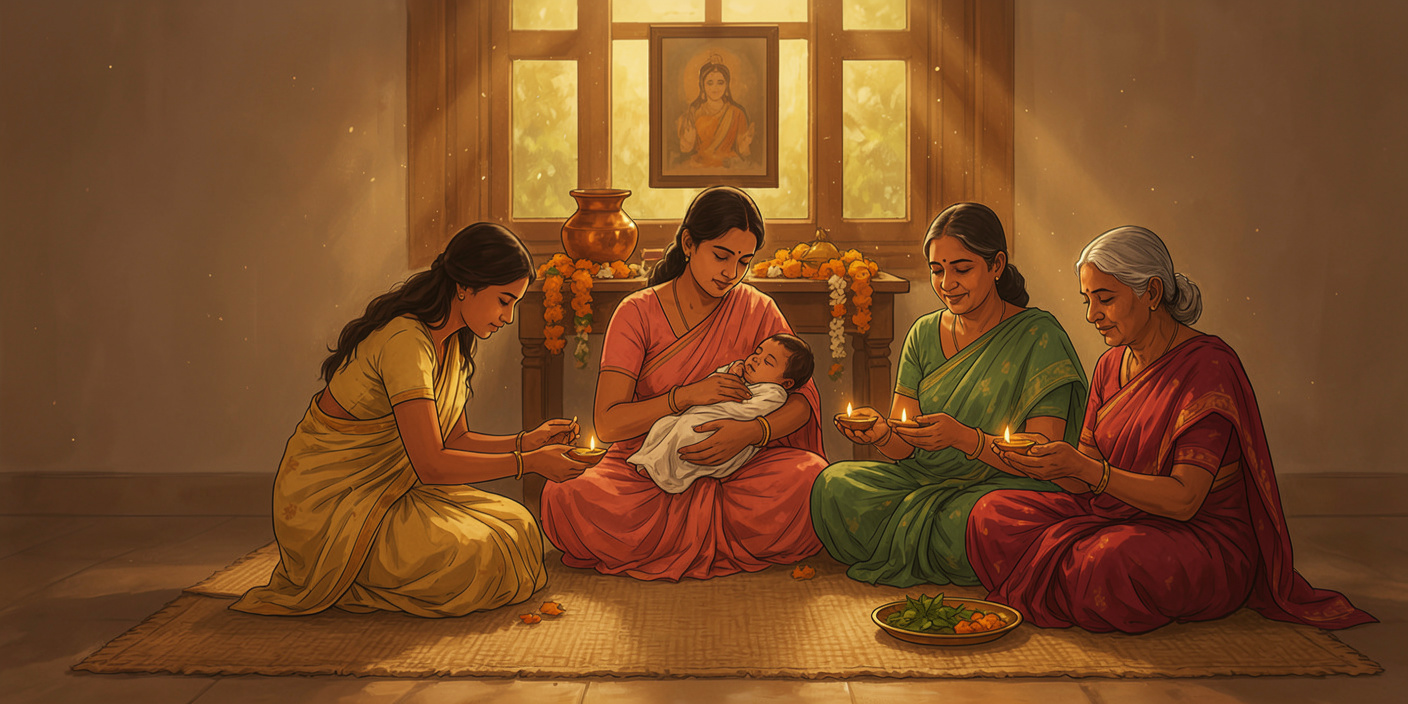
Pregnancy and early motherhood are among the most tender and demanding times in a woman’s life. Indian tradition celebrates this stage with rituals such as the Simantonnayana, or the baby shower, which is a loving gathering of the family around the mother to bless her and the child.
Many women enjoy listening to soft mantras, bhajans or the Vishnu Sahasranama during pregnancy, as a way to feel calm and connected. Chanting a short mantra, such as “Om Namo Narayanaya” or the Devi prayer above, can be comforting during the weeks of waiting.
Please keep a few points in mind for safety. Follow the advice of your doctor or obstetrician on food, rest, medicines, vaccines and check ups. Do not fast during pregnancy or breastfeeding without asking your doctor first. Do not take any herb, powder or home remedy without medical advice, as some can be harmful. Ask your doctor before doing pranayama or yoga. If you are finding it hard to conceive, or if pregnancy and the early months bring heavy worry or sadness, please speak to a doctor. Prayer can give emotional strength, but it is never a substitute for medical care.
Motherhood also asks a great deal of a woman’s energy. Please accept help from family and friends, and do not feel guilty for needing rest. A mother who is cared for can care better.
What Helps in Midlife?
Midlife often brings new changes in the body, such as changes in monthly cycles, sleep and mood. At the same time, many women are caring for children and ageing parents together. This can feel like a very heavy load.
Gentle practices can help at this stage. A daily walk, light stretching, gentle breathing and a quiet time for prayer give the body and mind a reset. Chanting a mantra such as the short Dhanvantari mantra or the Gayatri, even for five minutes, can bring a sense of order to a busy day.
If you notice strong changes in mood, sleep or energy, please speak to your doctor, and do not assume that it is just something to bear. Many women suffer in silence for years when help is available. Seeking care is a sign of wisdom. Our post on Vedic practices for peace of mind during stress and sleepless nights may also be helpful.
What Helps in the Later Years?
The later years can be a time of deep peace and wisdom. A woman may have more time for prayer, for stories with the grandchildren, for temple visits and for meeting friends. Vedic tradition treats this as a precious stage of life.
Regular health care matters more than ever, including regular check ups and screenings as advised by a doctor. Gentle movement, good company and a daily prayer routine bring a sense of purpose. Our post on prayers for elderly parents has more ideas for this stage.
Which Prayers and Mantras Are Loved by Women of All Ages?
There is no fixed list, and every woman can choose the prayers that feel close to her heart. Here are some that many families love.
- The Devi prayer. “Ya Devi Sarvabhuteshu Shakti Rupena Samsthita, Namastasyai Namastasyai Namastasyai Namo Namah”. A prayer to Devi as Shakti, for strength and courage.
- A Lakshmi mantra. “Om Shreem Mahalakshmyai Namah”. A salutation to Devi Lakshmi for prosperity and wellbeing.
- A Durga mantra. “Om Dum Durgayai Namah”. A salutation to Devi Durga for courage and protection.
- A Saraswati mantra. “Om Aim Saraswatyai Namah”. A salutation to Devi Saraswati for knowledge and a clear mind.
- The Gayatri mantra. A prayer for a bright and calm mind.
- The short Dhanvantari mantra. “Om Shri Dhanvantaraye Namah”. A salutation to Bhagwan Dhanvantari for health. You can read more in our post on the Dhanvantari mantra.
- The Shanti prayer. “Om Sarve Bhavantu Sukhinah, Sarve Santu Niramayah, Sarve Bhadrani Pashyantu, Ma Kashchid Duhkha Bhag Bhavet, Om Shantih Shantih Shantih”. A prayer for the wellbeing of all.
A single prayer said with a calm heart is better than many said in a hurry.
How Can Women Keep Vrata and Fasting Safely?
Many Indian women keep vratas, such as weekly fasts and festival fasts, as an act of devotion. The heart of a vrata is the devotion, and not the hunger. Please keep a few simple cautions in mind.
Do not fast if you are pregnant, breastfeeding, unwell, recovering from an illness, or taking regular medicines, unless your doctor has said that it is safe. If you have any health condition, speak to your doctor about the type and length of fast that suits you. A gentle fast, such as eating light fruit, milk or simple food, may be a better choice than a very strict one. Drink enough water, and break the fast if you feel weak or dizzy. Bhagwan is never pleased by suffering, and a vrata can be kept in a form that is kind to the body. Please follow your doctor’s advice about diet.
What About Traditions Around Periods?
Practices around worship during monthly periods differ widely among families, regions and traditions. In some households, women do not enter the prayer room or touch certain items at this time, while in others there is no such restriction. Many scholars and thoughtful people today say that a woman’s desire to pray is never impure, and that the body’s natural cycle is not a matter of shame.
Our suggestion is to follow your own family tradition in a way that feels respectful and comfortable to you, and to know that you can always pray silently in your heart at any time. No woman should be made to feel guilty, dirty or less devoted for a natural process. If period pain, heavy bleeding or irregular cycles are troubling you, please see a doctor rather than waiting.
How Can Women Who Carry Everything Look After Themselves?
Many women put their own needs at the very end of the list. Please try to keep a few small anchors for yourself.
Set aside a few minutes each day for your own prayer or quiet time. Eat meals sitting down and at regular times, and do not skip them. Share the household tasks, and ask for help without guilt. Meet friends, join a satsang or a bhajan circle, or spend time on a hobby that you love. Go for regular health check ups and screenings as advised by your doctor, and do not postpone them for the sake of the family.
Families can help by noticing how much a woman carries, and by saying thank you. Small acts of care, like taking over a meal or giving her an hour of rest, are a kind of seva in themselves.
Can a Homam Support Women’s Wellbeing?
Many families choose to perform a Homam for the wellbeing of the women in the household. The Dhanvantari Homam is a Vedic fire ritual that honours Bhagwan Dhanvantari, the divine physician. It is traditionally performed to seek blessings for health, strength and peace of mind. The priests take a Sankalpa in the name of the woman, along with her gotra and nakshatra, chant the Dhanvantari mantras and offer ghee and sacred herbs into the fire.
Families often choose it at the start of a new year of life, before an important stage such as childbirth, or when a woman is going through a time of worry. The Homam can also be booked online, so you can join the prayer in your heart from anywhere. You can read more on our Dhanvantari Homam page.
How Should We See Prayer and Medical Care Together?
The practices in this post are forms of spiritual and emotional support. They are not a replacement for medical advice, diagnosis or treatment. They do not promise any result, and they should never delay or replace the care of a doctor, an obstetrician or a counsellor.
The best way to see prayer is as a companion to good care. The doctor looks after the body and the mind, the family offers love and support, and the prayer gives strength and calm to the heart. Please continue to follow your doctor’s guidance, and never stop or change a treatment because of a ritual.
Key Takeaways
- Women’s needs change across life, so prayer and care work best when they fit the stage, from girlhood to the later years.
- Vedic tradition honours women as Shakti and remembers women seers such as Lopamudra, Gargi and Maitreyi.
- Prayers such as the Devi verse, the Gayatri, the Shanti prayer and the short Dhanvantari mantra can be used at any age.
- During pregnancy and breastfeeding, follow your doctor’s advice, and do not fast or take herbs without medical guidance.
- A vrata is about devotion and not hunger, and it can always be kept in a form that is kind to the body.
- A Homam is spiritual support and works alongside medical care, never in place of it.
Frequently Asked Questions
Q. Which mantra is good for women’s wellbeing?
Many women chant the Devi prayer “Ya Devi Sarvabhuteshu”, the Gayatri mantra, a Lakshmi, Durga or Saraswati mantra, or the short Dhanvantari mantra “Om Shri Dhanvantaraye Namah”. Choose the one that feels close to your heart.
Q. Can pregnant women chant mantras?
Yes, many women find soft mantra chanting or listening to bhajans calming during pregnancy. Please follow your doctor’s advice on food, rest and medicines, and ask before doing pranayama or yoga.
Q. Is it safe to fast during pregnancy or breastfeeding?
Please do not fast during pregnancy or breastfeeding without asking your doctor first. A vrata can be kept in gentle ways, and devotion does not depend on hunger.
Q. Can women pray during their periods?
Practices differ among families and traditions. Many people today say that the wish to pray is never impure. You can follow your family tradition in a way that feels comfortable, and you can always pray silently in your heart.
Q. Which Homam is suitable for a woman’s health and wellbeing?
Many families choose the Dhanvantari Homam for health and wellbeing, with the Sankalpa taken in the woman’s name, gotra and nakshatra. It is spiritual support and does not replace medical care.
Q. What should women do if they feel low or very tired for a long time?
Please speak to a doctor. Persistent low mood, tiredness, heavy worry or changes that affect daily life are worth a medical check, and seeking help is a sign of care, and not a lack of faith.
A Note on Health and Faith
Prayer, mantra chanting and the Dhanvantari Homam are forms of spiritual support. They are not a substitute for medical advice, diagnosis or treatment. Please continue to follow your doctor’s guidance and take care of your health along with your prayers.
Seek the Blessings of Bhagwan Dhanvantari
If you wish to pray for the health and wellbeing of the women in your family with the full Vedic method, you can book the Dhanvantari Homam with Jyotirgamaya from anywhere in the world. Visit the Dhanvantari Homam page.