


Prayers Before and After Surgery: What Vedic Tradition Suggests
By: Pratima Argade
21 October 2026 at 10:22 AM
Before surgery, families in India often pray to Bhagwan Ganesha for a smooth path and to Bhagwan Dhanvantari for blessings of healing, and chant short mantras for calm. After surgery, they offer thanks and pray for patience during recovery. Always follow your surgeon’s instructions on timing, fasting and sacred items. Prayer is spiritual support, and it works alongside medical care.
The days before a surgery are full of questions. Will it go well? How long will the recovery be? Is the family prepared? Even when the doctors are calm and the plan is clear, the heart can feel heavy. It is natural to turn to Bhagwan at such a moment, and Indian families have done this for ages.
In this post, we will share what Vedic tradition suggests before and after surgery, a few simple mantras, and ways for the family to pray while waiting. We will also speak about three practical matters that many families ask about, which are the muhurta for surgery, fasting before the operation and the sacred items that patients wear. If you wish to know more about Bhagwan Dhanvantari, you may like to read our post on who Bhagwan Dhanvantari is.
Why Do People Pray Before Surgery?
A surgery is a moment of trust. We place our body in the hands of a surgeon, an anaesthetist and a team that we may be meeting for the first time. Even when we know that they are well trained, a part of us feels how little is in our control.
Prayer gives that part of us a place to rest. Many patients say that when they closed their eyes and repeated a mantra, they felt calmer. Many family members say that prayer gave them something to do while they waited. These are real and gentle benefits of the heart. They do not replace the skill of the surgical team, but they help the person and the family face the day with courage.
What Does Vedic Tradition Suggest Before Surgery?
The Vedic tradition does not give a single fixed rule for surgery, but it gives a few clear ideas that families have followed for a long time.
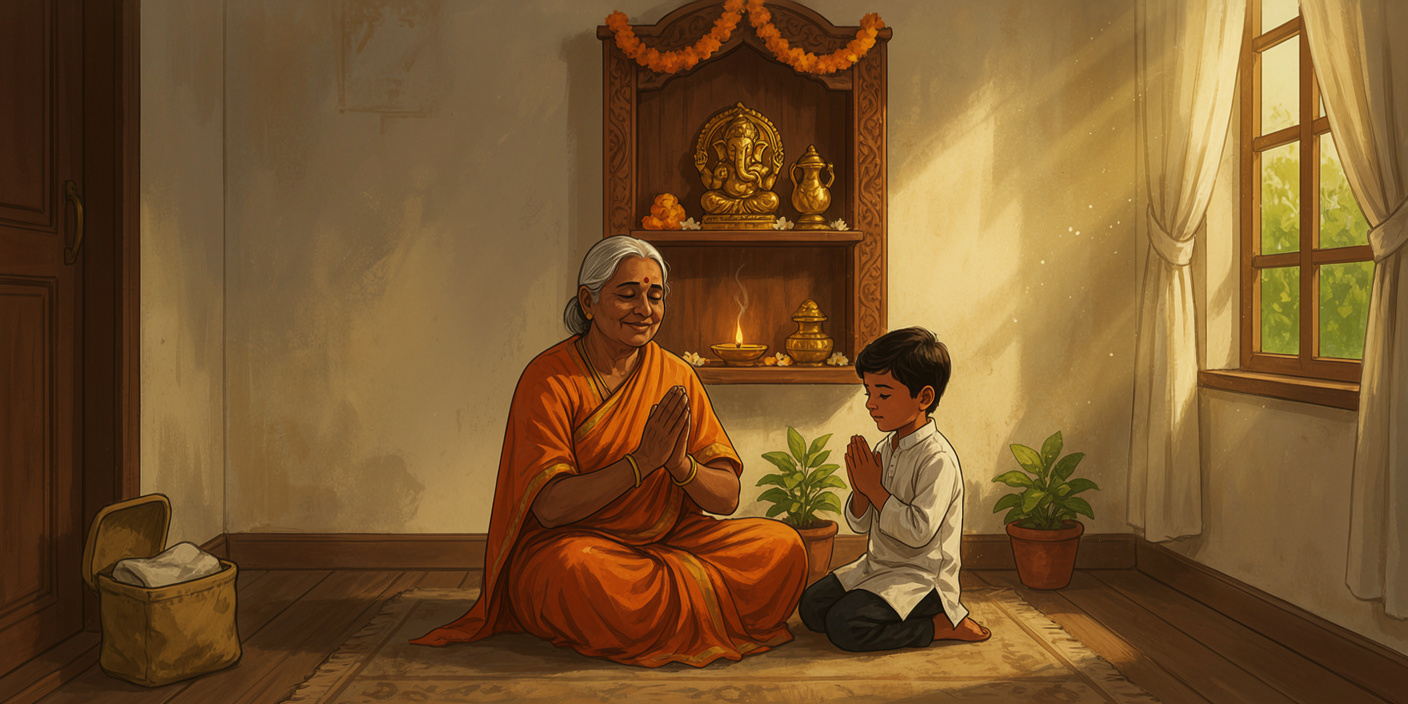
The first is to begin with a prayer to Bhagwan Ganesha, the remover of obstacles. In Hindu life, every important work starts with a salutation to Ganesha, and a surgery is no different. Many families chant a short prayer for a smooth path before they leave the house.
The second is to take a Sankalpa, which is a simple statement of intention. The patient or a family member may say, “We are going ahead with this treatment with faith in Bhagwan, and with trust in the doctors.” This helps to clear the mind of confusion.
The third is to remember Bhagwan Dhanvantari, the divine physician, and to seek his blessings for healing and recovery. The fourth is to keep the mind steady with a short mantra or a few slow breaths. The fifth is gratitude, which means thanking the doctors, the nurses and everyone who is helping.
Should We Look for an Auspicious Muhurta for Surgery?
This is one of the most common questions that families ask, and it needs a careful answer. In Jyotish, a muhurta is a time that is considered favourable for starting an important work. Many families like to know a suitable day or time for a surgery.
However, medical needs always come first. In an emergency, or when a doctor has said that a surgery should be done soon, please do not wait for a muhurta. A delay can cause harm, and no tradition asks us to risk a life for the sake of an auspicious time. For a planned surgery, the schedule is decided by the surgeon, the operation theatre and the patient’s health. Often the date cannot be moved by a few days without affecting other patients and the treatment plan.
If you wish to consult a Jyotishi, you can ask for a favourable time within the dates that the doctor has offered, or you can ask for a simple prayer and a favourable moment for leaving the house. Please do not postpone a surgery that has been advised by your doctor because of a muhurta. The sincere prayer of the family is itself the best muhurta.
What Practical Matters Should We Keep in Mind on the Day?
A few simple points help the day go smoothly, and also keep the patient safe.
- Fasting. Before most surgeries, the doctor gives clear instructions about when the patient must stop eating and drinking. This is for safety during anaesthesia. Please follow these instructions exactly. Do not keep an extra religious fast, and do not take prasadam, Tulasi water, holy water or herbal drinks before the surgery if the doctor has said that nothing should be taken by mouth. If you are unsure, ask the nurse.
- Sacred items. Hospitals often ask patients to remove jewellery and metal items before an operation. This may include a sacred thread, a Rudraksha mala, an amulet or a ring. If this is a concern, please speak to the staff beforehand. Often the family can keep these items safely and return them after the surgery. A sincere prayer does not depend on any object.
- Hospital rules. Please do not light a lamp, camphor or incense inside the hospital. Pray quietly in your mind or in a soft whisper. A small picture, a mala and a phone with a soft audio prayer on headphones are usually allowed, but please check.
- Medicines and remedies. Tell the surgeon and the anaesthetist about everything the patient takes, including herbal preparations, home remedies and Ayurvedic medicines. Some of them can affect bleeding or interact with anaesthesia. Please do not start or stop any medicine on your own.
Which Prayers and Mantras Can We Chant Before Surgery?
Short and simple prayers work best on a day like this. Here are a few that families often choose.
- A prayer to Bhagwan Ganesha. “Vakratunda Mahakaya, Suryakoti Samaprabha, Nirvighnam Kurume Deva, Sarvakaryeshu Sarvada”. It means, “O Bhagwan with the curved trunk and the mighty form, with the brightness of a million suns, please make all my works free from obstacles, always.”
- The short Dhanvantari mantra. “Om Shri Dhanvantaraye Namah”. A salutation to Bhagwan Dhanvantari, the divine physician. You can read the full mantra and its meaning in our post on the Dhanvantari mantra.
- Om Namo Narayanaya. The eight syllable mantra of Bhagwan Vishnu, repeated for shelter and peace.
- The Gayatri mantra. A prayer for a clear and bright mind.
- The Maha Mrityunjaya mantra. “Om Tryambakam Yajamahe Sugandhim Pushtivardhanam, Urvarukamiva Bandhanan Mrityor Mukshiya Maamritat”. A prayer to Bhagwan Shiva for protection and courage.
- The Hanuman Chalisa or a Hanuman prayer. Many families chant or listen to it for courage and inner strength.
Choose one or two that feel close to your heart, and repeat them slowly in the mind. A few quiet minutes of this, with a steady breath, can be a real help on the morning of the surgery.
How Can the Family Pray While Waiting During the Surgery?
The waiting hours can be the hardest part. A few gentle ideas may help.
Find a quiet corner in the waiting area, sit comfortably, and repeat a mantra in your mind. If several family members are present, you may sit together in silence, or each chant softly on your own. Keep a bottle of water and a small snack with you, as long waits can drain the body. Switch off or silence your phone for a while, and limit the news that you read or the stories you hear from others.
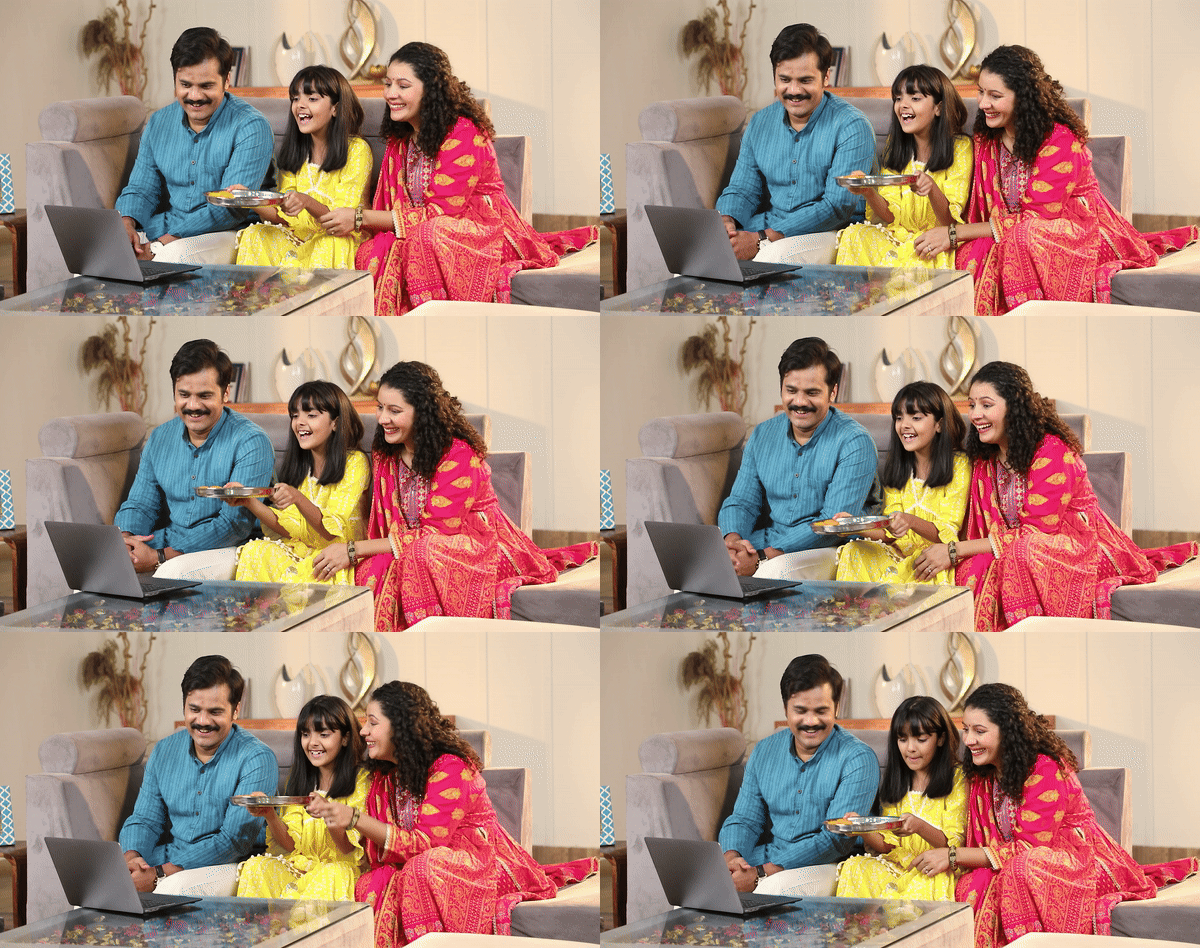
If you have family members at home or abroad, they can light a lamp at the same hour, and chant for the patient. This shared prayer is a beautiful way for an entire family to feel connected, even when apart.
What Helps After Surgery?
After a surgery, the body needs time. The first and most important rule is to follow the doctor’s advice on rest, medicines, wound care, diet and physiotherapy. The spiritual practices in this section are gentle companions to that care, and not a replacement.
- Patience. Recovery is rarely a straight line. Some days will feel better and some will feel slower. The Bhagavad Gita speaks about steadiness of mind in good times and bad. Remind yourself and the patient that healing needs time, and that a slow day is not a failure.
- Short prayers. Chant a short mantra such as “Om Shri Dhanvantaraye Namah” for a few minutes each day, if the patient wishes. The patient may also simply listen to soft chanting or a bhajan. There is no need for long or tiring practices.
- Gratitude. Encourage the habit of thanking Bhagwan, the surgeon, the nurses and the family. Gratitude lifts the mind, which is good for rest and recovery.
- What to avoid. Please do not apply sacred ash, turmeric, herbal pastes or oils on a surgical wound unless the doctor has said so. Do not give new herbs, powders or holy water without asking. Do not skip follow up visits, physiotherapy or medicines because of a ritual. Do not go on long temple trips or climb steps before the doctor says that it is safe.
How Can We Offer Thanks After Recovery?
When the patient has recovered and the doctor has given permission, many families offer a thanksgiving. This can be as simple as a visit to a nearby temple, a small puja at home, or a prayer with the family. Some families perform a Satyanarayana puja, or offer a meal to the needy, in line with their means and tradition. Some also perform a Dhanvantari Homam as a thanksgiving for the health that has returned.
The most important thing is the feeling behind the offering. A thankful heart is dear to Bhagwan, and it also helps the family move forward with peace.
What Is the Link Between Surgery and Vedic Heritage?
Many people are surprised to learn that surgery has a long place in Indian tradition. The Sushruta Samhita, one of the great classical texts of Ayurveda, is known for its teaching on Shalya Tantra, which is the branch of surgery. Sushruta is called the father of surgery in India, and the text presents his teaching as coming from Bhagwan Dhanvantari in the form of Divodasa, the king of Kashi.
This heritage reminds us that the Indian tradition has always valued skilled hands and careful training, along with prayer. It is a good reason for families to thank the surgeon and the team with a full heart. You can read more in our post on Dhanvantari and Sushruta.
Can a Homam Be Done Before or After Surgery?
Many families arrange a Homam around the time of a surgery. The Dhanvantari Homam is a Vedic fire ritual that honours Bhagwan Dhanvantari, the divine physician. It is traditionally performed to seek blessings for health, a smooth recovery period and peace of mind. The priests take a Sankalpa in the name of the patient, chant the Dhanvantari mantras and offer ghee and sacred herbs into the fire.
Some families do the Homam a few days before the surgery, so that they feel prepared. Others do it after the surgery, as a prayer for recovery or as a thanksgiving. Some families also choose the Maha Mrityunjaya Homam for protection, or the Sudarshana Homam. Our posts on Dhanvantari Homam vs Maha Mrityunjaya Homam and on Dhanvantari Homam vs Ayushya Homam vs Sudarshana Homam may help you decide.
The Homam can also be booked online, which helps families who are far from home, including NRI families. The patient does not need to be present, and the family can join the prayer in their hearts from anywhere. You can read more on our Dhanvantari Homam page.
How Should We See Prayer and Medical Care Together?
Prayer, mantras and the Homam are forms of spiritual support. They are not a replacement for medical advice, diagnosis or treatment. They do not promise any result, and they should never delay or replace the care of a doctor, especially before or after a surgery.
The best way to see prayer is as a companion to good care. The surgeon and the team treat the body, the family looks after the person, and the prayer gives strength, courage and calm to the mind. Please continue to follow your doctor’s guidance, and never stop or change a treatment because of a ritual.
Key Takeaways
- Families commonly pray to Bhagwan Ganesha for a smooth path and to Bhagwan Dhanvantari for blessings of healing before surgery.
- Please do not delay a surgery that the doctor has advised for the sake of a muhurta. The surgeon’s schedule comes first.
- Follow the doctor’s fasting instructions exactly, and ask the hospital about sacred items and prasadam.
- Short mantras said quietly in the mind are the easiest way to pray on the day of surgery.
- After surgery, follow the doctor’s advice, be patient, offer thanks, and avoid putting remedies on a wound or skipping follow up care.
- A Homam is spiritual support and works alongside medical care, never in place of it.
Frequently Asked Questions
Q. Which mantra should I chant before surgery?
Many families chant the Ganesha prayer “Vakratunda Mahakaya” for a smooth path, “Om Shri Dhanvantaraye Namah” for healing, or “Om Namo Narayanaya” for peace. Choose the one that feels close to your heart, and chant it quietly.
Q. Do I need to find an auspicious muhurta for surgery?
No. Please do not delay a surgery that your doctor has advised for the sake of a muhurta, and never wait in an emergency. If you wish, a Jyotishi can suggest a favourable moment within the dates that the surgeon has offered.
Q. Can I fast before surgery for religious reasons?
Please follow only the doctor’s fasting instructions. Do not add any extra religious fast, and do not take prasadam or holy water if the doctor has said that nothing should be taken by mouth.
Q. Can I wear a sacred thread or Rudraksha during surgery?
Many hospitals ask patients to remove such items. Please speak to the staff beforehand, and keep the items with a family member. A sincere prayer does not depend on an object.
Q. What should the family do while the surgery is going on?
Sit quietly, repeat a mantra in the mind, stay hydrated, limit the news you listen to, and ask relatives to light a lamp at home at the same hour.
Q. Can a Homam be done before or after surgery?
Yes. Many families perform a Dhanvantari Homam before surgery to seek blessings, or after it as a prayer for recovery or as thanksgiving. It is spiritual support and does not replace medical care.
A Note on Health and Faith
Prayer, mantra chanting and the Dhanvantari Homam are forms of spiritual support. They are not a substitute for medical advice, diagnosis or treatment. Please continue to follow your doctor’s guidance and take care of your health along with your prayers.
Seek the Blessings of Bhagwan Dhanvantari
If you wish to pray for the health and wellbeing of your loved one with the full Vedic method, you can book the Dhanvantari Homam with Jyotirgamaya from anywhere in the world. Visit the Dhanvantari Homam page.