







Famous Misconceptions About Shani Dev Explained
By: Pratima Argade
20 August 2026 at 9:49 AM
Famous Misconceptions About Shani Dev Explained
A Devta Known More Through Fear Than Understanding
Among all the devtas worshipped across India, few carry a reputation as complicated as Bhagwan Shani. Mentioned in hushed tones, associated almost automatically with hardship, and often approached more out of fear than genuine devotion, Shani occupies a strange place in popular imagination, respected enough to be worshipped, yet feared enough that many people approach his temples with visible unease rather than the warmth typically extended toward other devtas.
This reputation, when examined closely against classical astrological texts, turns out to be built on popular folklore and generations of exaggerated storytelling far more than genuine scripture. This post looks closely at the most common misconceptions surrounding Bhagwan Shani, and what classical texts actually describe about his true nature, role and significance.
Misconception One, Shani Is an Evil or Malevolent Devta
This is perhaps the most widespread and damaging misconception surrounding Shani. Popular imagination often casts him as something close to a malevolent force, someone whose attention brings only suffering and misfortune. This portrayal stands in direct contrast to how classical texts actually describe him.
The Brihat Parashara Hora Shastra describes Shani as a graha governing justice, karma and the fair delivery of consequences based on a person's own actions, not as a force acting out of cruelty or ill will. Within this framework, Shani cannot logically be considered evil, since his role is specifically to ensure fairness, delivering difficulty to those whose actions warrant it and rewarding those whose conduct is honest and disciplined. A devta responsible for fairness is fundamentally different from one motivated by malice.
Misconception Two, Shani Enjoys Causing Suffering
Related to the first misconception is the belief that Shani takes some kind of satisfaction in the hardship he is associated with, as though suffering itself is his goal rather than a byproduct of his role in delivering karmic justice. The Skanda Purana offers a very different picture, describing Shani as a devta who tests individuals specifically to help them grow stronger, wiser and more disciplined, not because he derives any pleasure from their difficulty.
This distinction matters considerably. A teacher who assigns a difficult exam is not doing so because they enjoy watching students struggle, but because the challenge itself serves a genuine educational purpose. Classical texts frame Shani's testing influence in much the same way, as purposeful rather than cruel.
Misconception Three, Shani and Surya Have a Purely Hostile Relationship
Many people are familiar with the mythological account describing tension between Bhagwan Shani and his father, Bhagwan Surya, often summarized in popular retelling as a straightforward story of a resentful son opposing his father. This oversimplified version misses the deeper meaning traditionally attributed to this relationship within classical teachings.
The traditional narrative involves Shani's mother, Chhaya, and certain circumstances of his early life that are said to have shaped his more serious, restrained temperament, quite different from his father's radiant, confident nature. Rather than representing simple family hostility, this story is often interpreted as symbolic of the necessary balance between different forces, Surya representing authority, vitality and outward expression, Shani representing restraint, patience and inward discipline. Both qualities are considered necessary within the broader cosmic order, and their differing temperaments are traditionally understood as complementary rather than purely adversarial.
Misconception Four, Looking Directly at Shani's Idol Brings Bad Luck
A commonly repeated belief in some communities holds that making direct eye contact with an idol of Shani, particularly during certain rituals, invites misfortune. This specific superstition does not have clear grounding in classical scriptural teaching and appears to have developed through popular folklore rather than established textual tradition. Most temples dedicated to Shani welcome devotees to view and worship his image directly, as with any other devta, without any scriptural basis suggesting this practice itself causes harm.
Misconception Five, Shani Worship Is Only About Fear and Appeasement
Many people approach Shani worship purely from a place of fear, treating puja and remedies as a way to appease an intimidating figure rather than as genuine devotional practice. This framing misses the deeper spiritual purpose behind Shani worship, which is fundamentally about cultivating the very qualities Shani represents, discipline, patience, honesty and humility, rather than simply avoiding his supposed wrath.
Genuine devotion to Shani, as understood in traditional practice, involves sincere reflection on one's own conduct and a genuine commitment to living with greater integrity and discipline, not merely performing rituals out of anxious obligation. Approaching Shani worship purely through fear misses the transformative potential this practice is traditionally meant to offer.
Misconception Six, Shani's Influence Cannot Be Positively Shaped by Personal Conduct
Some people believe that Shani's influence, once determined by a person's birth chart, is entirely fixed and unchangeable regardless of how a person lives their life. This misconception overlooks a central teaching found throughout classical astrological texts, that a person's own conduct, choices and remedial efforts genuinely influence how planetary energies, including Shani's, unfold in their life.
The Brihat Parashara Hora Shastra and related texts consistently emphasize that honest, disciplined living and sincere remedial practice can meaningfully soften even challenging planetary influences. This teaching places real agency in the hands of the individual, directly contradicting the fatalistic misconception that a person is entirely powerless against Shani's influence regardless of their own actions.
Misconception Seven, All Crows Represent Shani and Bring Misfortune
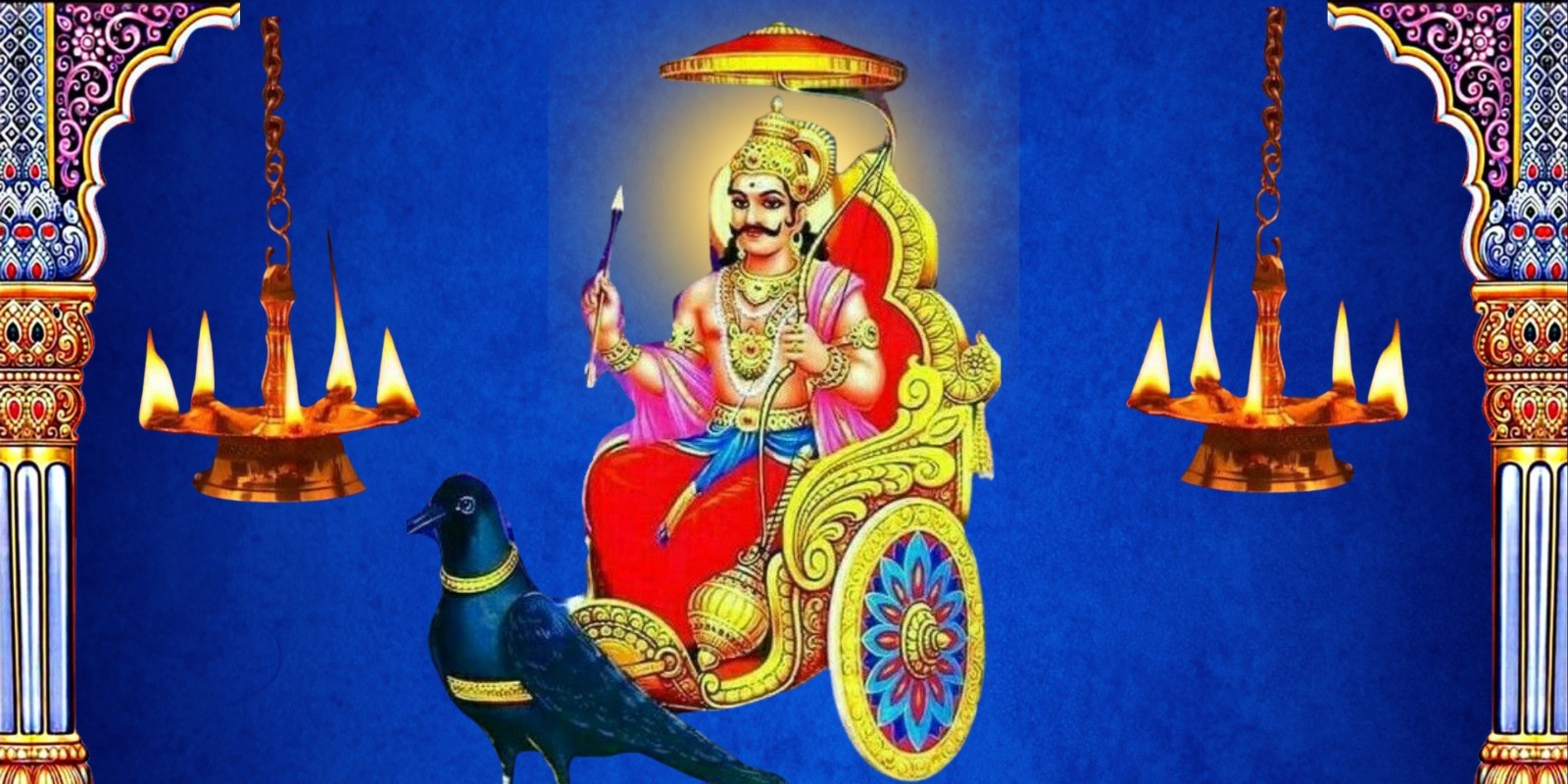
Since crows are traditionally associated with Shani as his vahana, or vehicle, some popular beliefs have extended this association into a broader superstition that crows themselves are omens of misfortune whenever encountered. While crows do hold genuine symbolic significance in connection with Shani within classical teachings, treating every crow sighting as a specific negative omen extends well beyond what classical texts actually establish, representing more of a folk elaboration than a scripturally grounded belief.
Misconception Eight, Shani Sade Sati and Shani Himself Are the Same Concept
Some people conflate Bhagwan Shani as a devta with Shani Sade Sati as a specific astrological transit, treating any mention of Shani as automatically implying the difficult seven and a half year period. In reality, Shani is worshipped and honored entirely independent of whether a person happens to be currently experiencing Sade Sati. Regular Shani worship, particularly on Saturdays, is a long standing devotional practice observed by many people throughout their lives, not something reserved only for those currently going through this specific transit.
What Classical Texts Actually Emphasize About Shani
Moving past these misconceptions, it is worth highlighting what classical astrological texts actually emphasize about Bhagwan Shani's true character and significance. He is consistently described as just, fair and impartial, applying the same principles of karma equally to all beings regardless of their status or wealth. He is associated with essential and valuable qualities, discipline, patience, hard work and structure, all of which are necessary for meaningful, lasting achievement in life. He is described as a devta who ultimately rewards honesty and sincere effort, even when the path to that reward requires patience and sustained discipline.
The Devi Bhagavata Purana reflects this same broader understanding within its teachings on karma, presenting testing periods and challenging devtas not as sources of arbitrary suffering, but as necessary elements within a larger, purposeful cosmic order oriented toward growth and eventual balance.
Why Correcting These Misconceptions Matters
Beyond simple accuracy, correcting these misconceptions carries real practical value for anyone navigating their own relationship with Shani, whether through regular worship, remedial practice during Sade Sati, or simply general spiritual understanding. Approaching Shani with genuine respect and understanding, rather than pure fear, tends to support a more meaningful, less anxious devotional practice, one grounded in the genuine values Shani represents rather than superstitious dread.
This shift in understanding also tends to support better outcomes during genuinely testing periods such as Sade Sati, since approaching this transit with respect and purposeful engagement, rather than paralyzing fear, aligns much more closely with the patient, disciplined conduct that Shani is traditionally understood to reward.
A More Accurate and Respectful Understanding
Bhagwan Shani, when understood through the lens of classical texts rather than popular folklore and exaggerated family stories, emerges as a far more just, purposeful and ultimately constructive figure than his popular reputation suggests. Recognizing him as a fair teacher rather than a punishing force allows for a healthier, more genuinely devotional relationship with this significant devta, one built on respect and understanding rather than fear alone.
If you would like guidance on approaching Shani worship with proper understanding, whether during a Sade Sati period or as part of regular devotional practice, our astrologers can recommend the puja and remedies best suited to your specific situation and spiritual goals.