Dhanteras and Bhagwan Dhanvantari: Why Health Comes Before Wealth
By: Pratima Argade
19 November 2026 at 1:36 AM
Dhanteras is the festival on the thirteenth tithi of the dark fortnight, just before Diwali, and tradition says that Bhagwan Dhanvantari appeared with the Amrit Kalash on this day. Because Dhanvantari is remembered two days before the worship of Devi Lakshmi, the festival teaches that health comes before wealth. Families light lamps, buy something new and offer prayers for the health and wellbeing of the household.
For many people, Dhanteras means a busy market, shining gold and silver, and the first big purchase of the festival season. Yet the original meaning of the day is much deeper. Behind the shopping and the sparkle is the story of Bhagwan Dhanvantari, the divine physician, and a simple teaching that every Indian family knows in its heart. Without health, no wealth can be enjoyed.
In this post, we will explain what Dhanteras is, why it is linked with Bhagwan Dhanvantari, and what the festival teaches about health and wealth. We will also look at the customs of buying metals and lighting lamps, and share ideas for celebrating Dhanteras with a health first mindset. We have not mentioned any dates, so that the post remains useful in any year. If you wish to know more about Bhagwan Dhanvantari, you can read our post on who Bhagwan Dhanvantari is.
What Is Dhanteras?
The name Dhanteras comes from two words. Dhan means wealth, and Teras is the Hindi word for the thirteenth. In Sanskrit tradition, the festival is called Dhanatrayodashi, which means the thirteenth day for wealth. It falls on the Trayodashi tithi of the Krishna Paksha, the dark fortnight, just before Diwali, and it is the first day of the five day festival of lights.
The five days of Diwali are traditionally Dhanteras, Naraka Chaturdashi, Lakshmi Puja on the new moon day, Govardhan Puja or Balipratipada, and Bhai Dooj. Each day has its own stories and customs, and they differ a little from region to region. Dhanteras is the day that opens the festival, and it sets its tone.
Why Is Dhanteras Linked With Bhagwan Dhanvantari?
According to tradition, Bhagwan Dhanvantari appeared from the Kshira Sagara on this day, holding the Amrit Kalash, during the Samudra Manthan. You can read the full story in our post on who Bhagwan Dhanvantari is. Because of this, the day is also called Dhanvantari Trayodashi, or Dhanvantari Jayanti, and it is remembered as his sacred day.
The Puranas describe him as a form of Bhagwan Vishnu who brought the Amrit, the nectar of life, and the knowledge of Ayurveda. We have explained this in our post on Dhanvantari in the Puranas. On Dhanteras, many families offer a special prayer to him, and Ayurveda doctors and students honour him as the divine source of their science.
In many parts of India, Ayurveda institutions and Vaidyas also mark the day with prayers and programmes. For them, it is a day to bow to the tradition of healing.
Why Does Health Come Before Wealth?
There is a beautiful order in the festival of Diwali. Dhanteras, the day of Bhagwan Dhanvantari, comes first. Two days later, on the new moon day, families worship Devi Lakshmi, the Devi of wealth and prosperity. Many people see in this sequence a simple message. Health first, and then wealth.
The Samudra Manthan itself gave both. Devi Lakshmi rose from the ocean, and later Bhagwan Dhanvantari appeared with the Amrit Kalash. The festival remembers both, and puts the divine healer at the beginning.
The same idea is in our old teachings and sayings. The Charaka Samhita says that health is the best foundation for dharma, artha, kama and moksha. The saying “Sharira madhyam khalu dharma sadhanam” means that the body is the first means for fulfilling our duties. A well known Hindi proverb says, “Pehla sukh nirogi kaya”, which means that the first happiness is a healthy body.
When we think of it this way, Dhanteras is a gentle reminder. We spend a lot of energy on earning and saving, but we also need to take care of the body and the mind that enjoy it. The real Dhan, or wealth, of a family is the health of its members.
What Is the Meaning of Buying Metals and Utensils?
On Dhanteras, many families buy something new, such as gold, silver, brass or copper items, or kitchen utensils. This is a loved custom, and it has several meanings in the tradition.
Many people link the custom of buying a new metal vessel with the kalash that Bhagwan Dhanvantari carried. The kalash is a symbol of abundance, and a new vessel brought home on this day is seen as a sign of welcoming good fortune and health into the household. Metals such as silver and brass are also seen as clean and auspicious in the tradition.
Another meaning is that Dhanteras is the start of the festive and financial season, when families think about their prosperity for the year to come.
Please remember that the meaning of the festival is not in how much you spend. A small steel vessel, a new spoon, a piece of silver or even a simple broom, which is bought in some regions as a symbol of cleanliness, all carry the same spirit. Please buy only within your means, and do not feel pressure to spend beyond your comfort.
What About Devi Lakshmi and Kubera on Dhanteras?
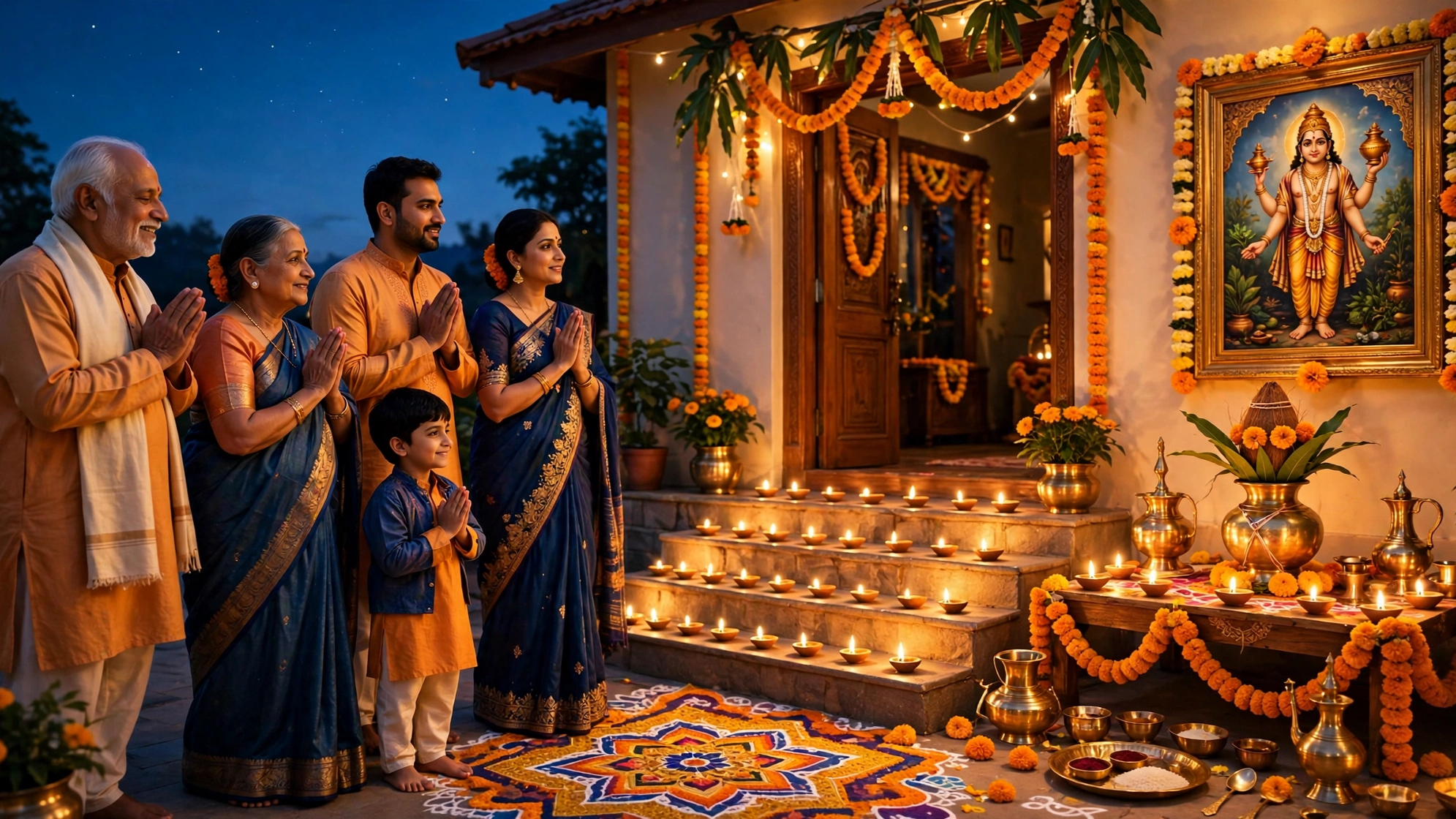
In many homes, Dhanteras evening also includes a prayer to Devi Lakshmi and to Bhagwan Kubera, the treasurer of the Devas, for prosperity. The main worship of Devi Lakshmi comes on the Diwali night, but many families begin on Dhanteras by cleaning the house, decorating the entrance, drawing rangoli and placing a few lamps.
This is a good time to join the two ideas together. A family may pray for health to Bhagwan Dhanvantari, and for prosperity to Devi Lakshmi and Bhagwan Kubera, in that order. In this way, the evening itself carries the teaching of the festival.
What Is Yama Deepam?
Another custom of Dhanteras is Yama Deepam, which is the lighting of a lamp in the evening for Yama, the Deva of dharma and time. A small clay lamp is lit, usually with sesame or mustard oil, and placed outside the main door or in the courtyard, facing south.
The custom is linked with a folk story. A young prince was fated, as the story goes, to meet Yama on the fourth day after his marriage. On that night, his wife is said to have laid out all her gold and silver in a heap at the door and lit many lamps, and sang and told stories through the night. When Yama came in the form of a serpent, the light and the sound of the stories made him stop and turn away. In this way, the prince was spared.
The story is a folk tradition, and it is told with devotion and hope. Many families light the Yama Deepam as a prayer for the safety and long life of all the family members. Please light any lamp safely, away from curtains, children and pets.
How Do Families Celebrate Dhanvantari on Dhanteras?
The customs differ across India, but a typical Dhanteras at home may include the following.
In the morning, the family cleans the home, decorates the entrance with flowers and rangoli, and takes a bath. In the evening, they set up a small altar with a picture or idol of Bhagwan Dhanvantari, along with Devi Lakshmi and Bhagwan Kubera if the family wishes. They light lamps, offer flowers and Tulasi leaves, and make a naivedya offering. They chant the Dhanvantari mantra, “Om Namo Bhagavate Vasudevaya Dhanvantaraye Amrita Kalasha Hastaya Sarva Amaya Vinashaya Trailokya Nathaya Dhanvantari Maha Vishnave Namah”, and end with an aarti. After this, they light lamps at the doorstep, and then share the prasadam.
If you would like a full step by step guide, please see our post on how to do Dhanvantari Puja at home. You can follow the same steps on Dhanteras, with a few more lamps and a festive spirit. Some families also read or listen to the story of the Samudra Manthan on this evening, which is a lovely way to include children.
Can You Make Dhanteras a Health First Festival?
Yes, and this is the best way to honour the spirit of the day. Here are some simple ideas that anyone can follow.
Book a health check up for yourself or an elder in the family, if one is due. Make sure that the medicines at home are in date, and that your regular prescriptions are refilled. Make a small list of your doctors and emergency contacts and keep it in a visible place. Take a short walk with your family on Dhanteras morning, and make it a habit. Spend a quiet moment with your parents and ask how they are doing. Thank the doctors, nurses and caregivers who have helped your family during the year.
You may also like to do a small act of seva, such as sharing food or supporting the medical needs of someone who cannot afford them. These simple things turn the festival into a real act of care.
How Can You Celebrate Safely?
Festivals are joyful, and a few safety habits keep them that way. Place lamps on stable surfaces, away from curtains, decorations and clothes, and never leave them unattended. Keep children and pets at a safe distance. Use less smoke where possible, since smoke from crackers, camphor and incense can trouble elders, small children and anyone with breathing problems. Many families now choose a festival of lamps and light without loud crackers, which is kinder to everyone.
For sweets and prasadam, please share in small portions and keep in mind family members who are on special diets or medicines. Please do not insist that anyone eat. A person with a health concern may accept the prasadam with respect and take a very small portion, or simply touch it to the forehead. If you are caring for a family member who is unwell, please follow the doctor’s advice about food.
How Can NRI Families Celebrate Dhanteras?
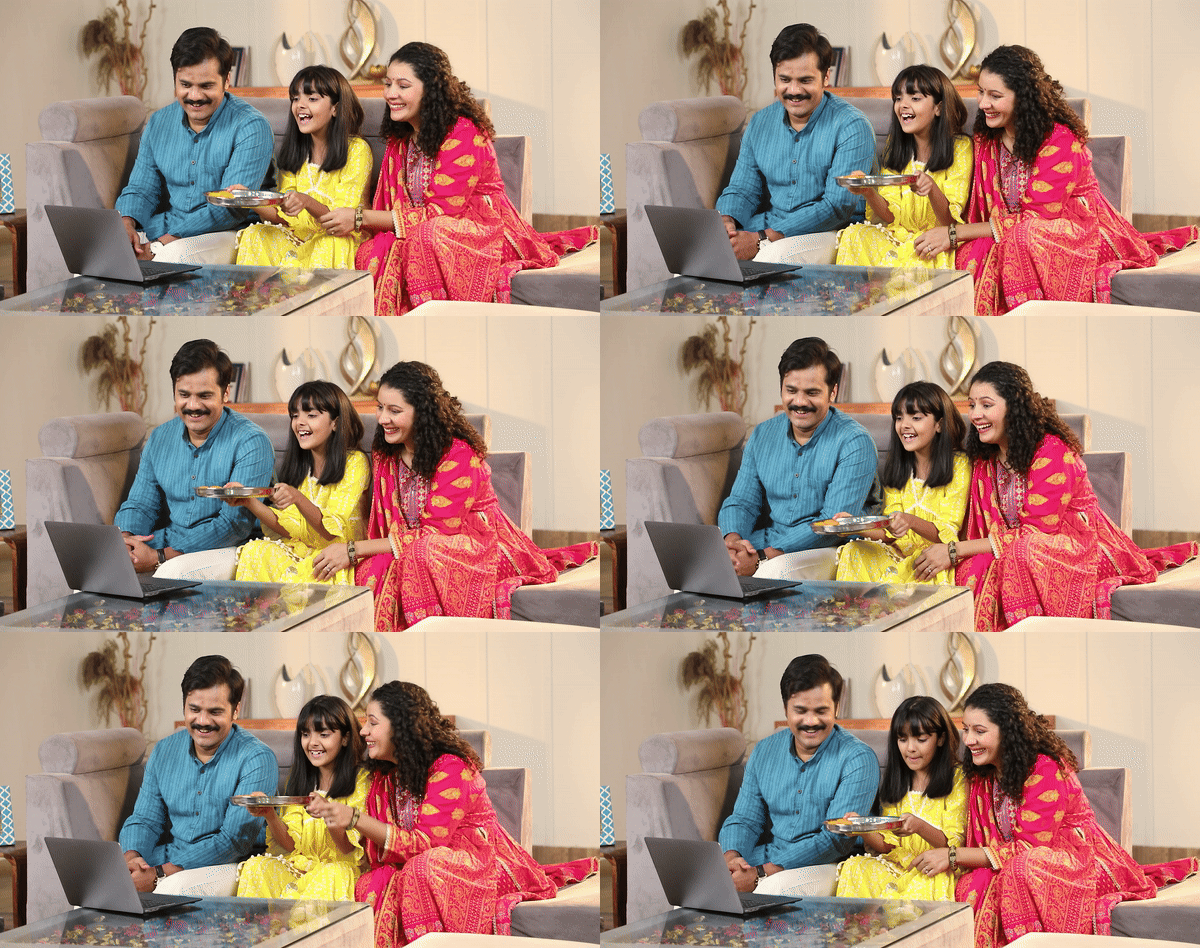
For families living abroad, Dhanteras can feel like a distant memory. But it is easy to keep the spirit alive. Set up a small altar at home, light a lamp in the evening, and chant the Dhanvantari mantra together. Call your parents in India and pray together over a video call, which means a great deal to them. Share the story of Bhagwan Dhanvantari with your children. If you wish to offer a prayer for your parents’ wellbeing, you can arrange a Homam in India on this day, and join the ritual in your heart from where you are.
Can a Dhanvantari Homam Be Done on Dhanteras?
Many families like to perform the Dhanvantari Homam on or around Dhanteras, since it is the sacred day of Bhagwan Dhanvantari. The Homam is a Vedic fire ritual that honours him as the divine physician, and it is traditionally performed to seek blessings for health, strength and peace of mind. The priests take a Sankalpa in the name of the person, with their gotra and nakshatra, chant the Dhanvantari mantras and offer ghee and sacred herbs into the fire.
The Homam can also be booked online, so you can take part from anywhere. You can read more in our post on what the Dhanvantari Homam is, and on our Dhanvantari Homam page.
How Should We See Festival Prayers and Medical Care Together?
The Dhanvantari Puja and the Homam are forms of spiritual support. They are not a replacement for medical advice, diagnosis or treatment. They do not promise any result, and they should never delay or replace the care of a doctor.
The best way to see them is as companions to good care. The doctor treats the body, the family looks after the person, and the prayer gives strength, hope and gratitude to the heart. Please continue to follow your doctor’s guidance, and never stop or change a treatment because of a ritual.
Key Takeaways
- Dhanteras, or Dhanatrayodashi, is the first day of Diwali and is held on the thirteenth tithi of the dark fortnight.
- Tradition says that Bhagwan Dhanvantari appeared with the Amrit Kalash on this day, and it is also called Dhanvantari Trayodashi or Dhanvantari Jayanti.
- Dhanvantari is remembered before Devi Lakshmi in the festival, as a teaching that health comes before wealth.
- Buying a new vessel is linked to the kalash, and what matters is the spirit and not the amount spent.
- Yama Deepam is a lamp lit in the evening for the safety of the family.
- A health first Dhanteras includes a prayer, a health check up, care for elders and gratitude, and the Dhanvantari Homam is a spiritual support that works alongside medical care.
Frequently Asked Questions
Q. Why is Dhanteras celebrated?
Dhanteras is celebrated as the first day of Diwali, and tradition says that Bhagwan Dhanvantari appeared with the Amrit Kalash on this day. Families also pray for prosperity and light lamps for the safety of the household.
Q. Who is worshipped on Dhanteras?
Bhagwan Dhanvantari is worshipped for health, along with Devi Lakshmi and Bhagwan Kubera for prosperity. Many families also light the Yama Deepam.
Q. Why do we buy metal on Dhanteras?
The custom is linked with the kalash that Bhagwan Dhanvantari carried and with welcoming prosperity. The spirit is more important than the amount, and a small vessel is as dear as gold.
Q. What does it mean that health comes before wealth on Dhanteras?
Bhagwan Dhanvantari, the divine physician, is remembered two days before Devi Lakshmi is worshipped. This reminds us that health is the foundation of every other kind of wealth.
Q. What is Yama Deepam?
It is a lamp lit in the evening of Dhanteras, usually outside the main door and facing south, as a prayer for the safety of the family. It is linked with a folk story of Yama and a young prince.
Q. Can I do Dhanvantari Puja or Homam on Dhanteras?
Yes. Many families do a Dhanvantari Puja at home, and some arrange a Dhanvantari Homam on or around Dhanteras. They are spiritual support and do not replace medical care.
A Note on Health and Faith
The Dhanvantari Puja and the Dhanvantari Homam are forms of spiritual support. They are not a substitute for medical advice, diagnosis or treatment. Please continue to follow your doctor’s guidance and take care of your health along with your prayers.
Seek the Blessings of Bhagwan Dhanvantari
If you wish to pray for the health and wellbeing of your family with the full Vedic method, you can book the Dhanvantari Homam with Jyotirgamaya from anywhere in the world. Visit the Dhanvantari Homam page.